
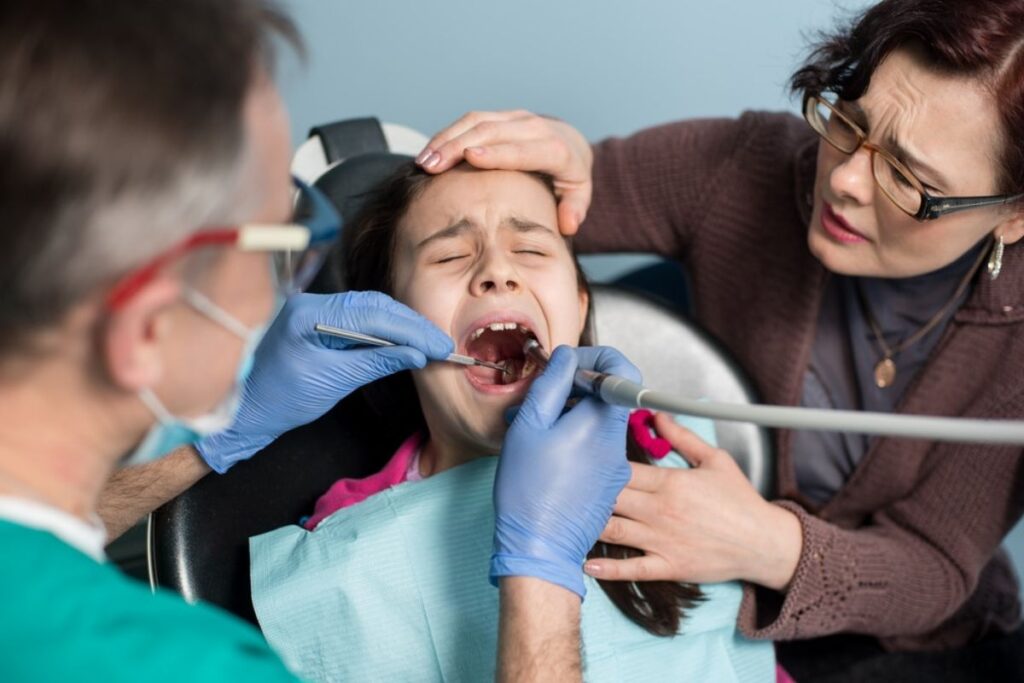
Dental emergencies can happen without warning—whether during a meal, a sports game, or even while sleeping. These situations can be painful, frightening, and sometimes even dangerous if not handled properly. Knowing how to respond before you reach a dental professional can significantly improve outcomes. This guide covers ten of the most common dental emergencies, along with helpful first aid measures to manage pain and prevent complications until professional care is available.
Understanding the Importance of Quick Action
Acting fast can mean the difference between saving and losing a tooth. While some issues may seem minor at first, many dental conditions can worsen rapidly if left unaddressed. Being prepared with knowledge is key.
Toothache Troubles
What Causes It and What Can You Do?
A toothache can range from a dull throb to intense pain. Often, the cause is decay, infection, or irritation around the tooth root. Rinse with warm salt water and use over-the-counter pain relief. Avoid placing aspirin directly on gums as it may burn tissue.
Knocked-Out Tooth
Time Is Critical
If a tooth gets knocked out, hold it by the crown (not the root), rinse it gently, and attempt to place it back into the socket. If that’s not possible, store it in milk or saliva and get to a dentist immediately. The quicker you act, the better the chance of saving it.
Cracked or Chipped Tooth
How to Protect the Tooth?
Cracked or chipped teeth can cause sensitivity and increase the risk of infection. Rinse your mouth, save any fragments, and avoid using that side of your mouth. Apply a cold compress if swelling develops.
Lost Filling or Crown
Temporary Relief at Home
Losing a crown or filling can expose sensitive parts of your tooth. Until you can see a dentist, you can temporarily fill the cavity with dental wax or sugar-free gum to cover sharp edges.
Soft Tissue Injuries
Managing Cuts Inside the Mouth
Lips, cheeks, or tongue injuries often lead to heavy bleeding. Rinse the area with water and apply gentle pressure using gauze. If bleeding doesn’t stop within 15 minutes, seek urgent care.
Dental Abscess
Signs of Infection You Shouldn’t Ignore
An abscess is a pocket of pus that signals a bacterial infection. Symptoms may include swelling, severe pain, and fever. This is a serious dental emergency, and you should not delay seeking care. A warm saltwater rinse may offer temporary relief.
Object Stuck Between Teeth
Safe Removal Methods
Food or foreign objects lodged between teeth can be painful and irritating. Gently use dental floss—never a sharp item—to try to remove it. If unsuccessful, it’s best to seek dental help.
Bleeding After Dental Work
When to Be Concerned?
Some bleeding after procedures like tooth extraction is normal, but prolonged or heavy bleeding isn’t. Bite gently on a gauze pad and avoid spitting or rinsing vigorously. If it doesn’t stop, call your dentist.
Orthodontic Pain or Appliance Damage
Braces-Related Discomfort
If a bracket breaks or a wire pokes your cheek, use orthodontic wax to cover the sharp end. Avoid eating hard foods and visit your orthodontist to make repairs.
When to Seek Help for a Dental Emergency
Not all dental issues are emergencies, but some require immediate care. If pain, bleeding, or swelling is severe, or if a tooth is at risk, don’t hesitate. Residents in Huntley seeking help with a dental emergency should be aware that prompt treatment can prevent further damage. Our team is equipped to handle urgent dental needs with care and precision.
In many of these cases, first aid can only do so much. If you’re experiencing any of these issues, we encourage you to visit our office as soon as possible. Timely treatment helps preserve your oral health and peace of mind.
Being informed and prepared for a dental emergency empowers you to take swift, informed actions when it matters most. Remember, oral health emergencies don’t have to result in long-term problems when managed correctly. Keep this guide handy, and ensure you know who to call when the unexpected happens.