
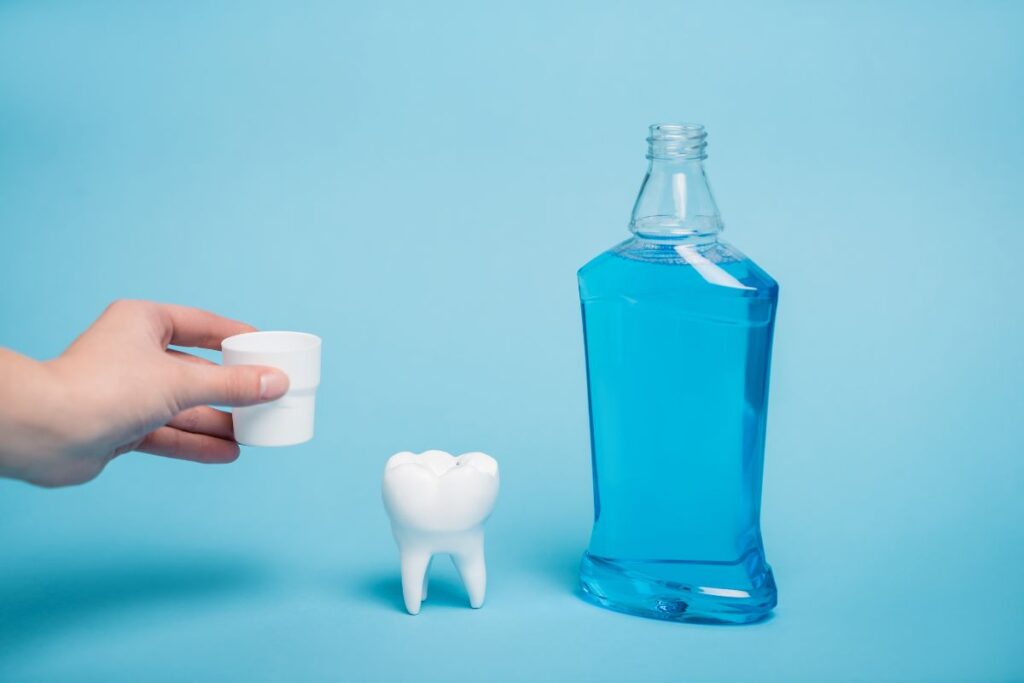
Understanding the Role of Mouthwash
When you stroll down the oral care aisle at any store, you’ll find a variety of mouthwash products making big promises—from fresh breath to killing 99.9% of germs. It’s easy to assume that adding mouthwash to your daily routine is essential. But is it necessary? The short answer is no. While mouthwash can have its uses, most people don’t need it to maintain good oral hygiene.
What Mouthwash Actually Does
Mouthwash can temporarily freshen breath, help reduce plaque, and, in some cases, deliver fluoride to strengthen enamel. Some formulas are specifically designed to target issues such as gingivitis or bad breath. However, these benefits are often mild compared to the effectiveness of daily brushing and flossing. It’s also worth noting that many commercial mouthwashes contain alcohol, which can dry out your mouth and lead to irritation over time.
The Overrated Promise of a Quick Fix
It’s tempting to think of mouthwash as a one-stop solution, especially if you’re in a hurry. Swish, spit, and go. But oral health doesn’t work like that. If you’re skipping regular brushing or flossing in favor of a minty rinse, you’re not doing your teeth—or your gums—any favors. Mouthwash cannot replace the mechanical action of brushing plaque off your teeth or flossing between them.
What Dentists Recommend Instead
While the idea of an antiseptic rinse sounds appealing, many dentists emphasize the importance of brushing for two full minutes, twice a day, and flossing at least once a day. These two steps form the foundation of an intense oral care routine. Many dental professionals only recommend mouthwash in specific situations, such as after oral surgery, during active gum disease treatment, or for patients with a higher risk of cavities.
If you’re visiting them for a checkup or cleaning, they may recommend mouthwash as a supplemental tool. That’s where the key difference lies: supplemental, not essential. It’s critical to understand that no rinse can replace the effectiveness of mechanical cleaning or professional care. If you’re unsure about whether a rinse is proper for you, it’s always best to ask during your next visit to your local dentist.
Visit Us for Personalized Advice
Each mouth is different, and oral care should never be a one-size-fits-all approach. Some people may benefit from a prescription mouthwash for managing specific oral health issues. If you’re prone to dry mouth, struggle with cavities, or have a history of gum problems, your dentist might suggest a specially formulated rinse that suits your individual needs.
That’s why it’s essential to rely on professional advice rather than advertising. During your routine appointments, feel free to bring up any concerns or questions you have. If you’re looking for customized oral health recommendations, don’t hesitate to visit our office and speak directly with a provider who understands your health history and goals.
When Mouthwash Might Help—But Still Isn’t Required
There are certain situations where a rinse may have its place. For example, fluoride-containing rinses can help those who don’t get enough fluoride in their diet or water. Therapeutic mouthwashes can help manage halitosis or reduce bacteria when used in conjunction with brushing and flossing. Even then, it’s more about treating a condition rather than maintaining daily oral health.
Bottom Line: It’s Optional, Not Essential
Ultimately, mouthwash is a personal choice, not a necessity. Its benefits are minor for most people, and it’s not a substitute for brushing and flossing. Good oral hygiene habits, regular dental checkups, and a healthy diet will do far more to protect your teeth and gums than any over-the-counter rinse ever could.
So if you’re wondering whether you need to add one more product to your bathroom shelf, take a step back. Your time and money may be better spent elsewhere, like investing in a quality toothbrush or booking that long-overdue dental visit.