
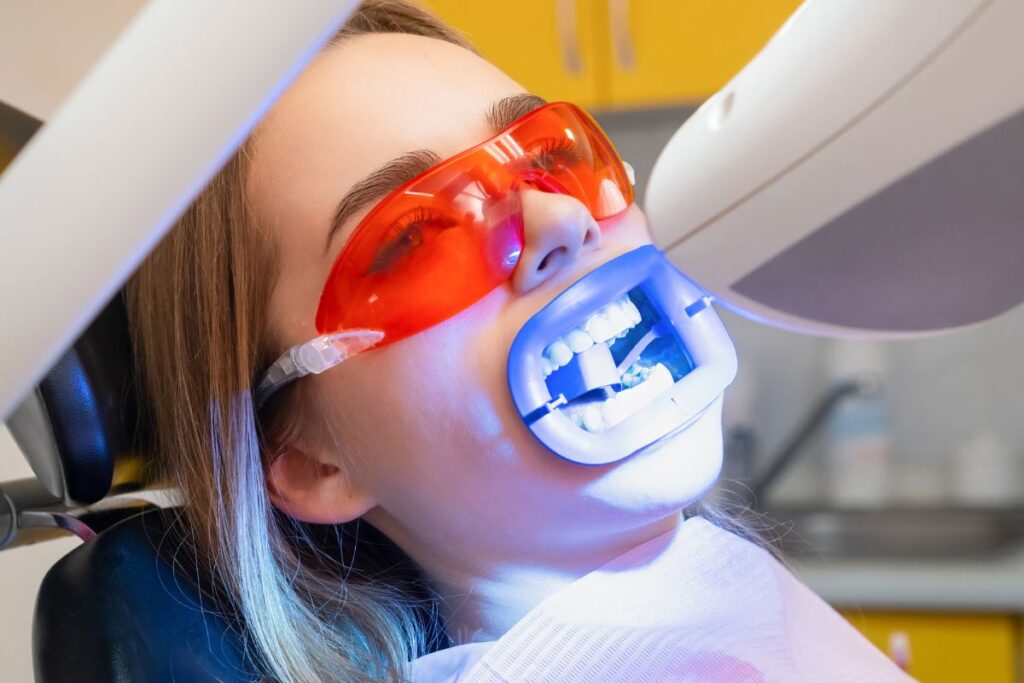
A brighter smile is something many people want, especially in places like Huntley, where confidence and appearance often go hand in hand. Teeth whitening has become one of the most popular cosmetic dental treatments, but questions about its safety still arise. Before starting any whitening process, it’s important to understand how it works, what to expect, and how to protect your oral health.
How Teeth Whitening Works
Teeth whitening treatments use bleaching agents, typically hydrogen peroxide or carbamide peroxide, to break down stains on the enamel. These stains can come from coffee, tea, wine, tobacco, or simply aging.
Types of Whitening Options
There are two main categories: professional in-office treatments and at-home products. Professional whitening is performed under supervision and often produces noticeable results quickly. At-home kits, including strips and trays, take longer but are widely available.
Is Teeth Whitening Safe?
For most people, teeth whitening is considered safe when done correctly. Dental professionals carefully control the concentration of whitening agents to minimize risks. However, like any treatment, there are factors to consider.
Potential Side Effects
Some individuals experience temporary tooth sensitivity or gum irritation. This usually happens when whitening agents penetrate the enamel or come into contact with soft tissues. These effects typically subside within a few days after treatment.
Who Should Avoid Whitening
Teeth whitening may not be suitable for everyone. People with untreated cavities, gum disease, or worn enamel should address these issues first. Pregnant individuals are also often advised to delay cosmetic procedures as a precaution.
Things to Consider Before Whitening
Understanding your dental health is key before starting any whitening treatment. A consultation helps determine whether discoloration is surface-level or due to underlying factors such as medication or trauma.
In the middle of your decision-making process, you may come across options for teeth whitening in Huntley. Choosing a provider who evaluates your oral health beforehand can help reduce risks and improve outcomes. This ensures that the treatment aligns with your specific needs rather than applying a one-size-fits-all approach.
Over-the-Counter vs Professional Care
Store-bought products are convenient, but they often contain lower concentrations of active ingredients. This means slower results and a higher chance of uneven whitening if not used correctly. Professional treatments, on the other hand, are monitored and customized.
How to Maintain Results Safely
After whitening, maintaining your results requires some care. Avoiding stain-causing foods and beverages for the first 24–48 hours is especially important, as teeth can be more porous during this time.
Daily Habits Matter
Regular brushing, flossing, and routine dental visits help extend the effects of whitening. Using a straw for beverages like coffee or soda can also reduce staining over time.
When to Visit a Dental Office
If you are unsure about the right whitening method, it’s always better to visit our dental office in Huntley for guidance. A professional evaluation can determine whether whitening is appropriate and which approach suits your condition.
Teeth whitening can be a safe and effective way to enhance your smile when done properly. Being informed about the process, potential side effects, and aftercare can make a significant difference in your experience. If you’re considering brightening your smile, take the time to explore your options and prioritize your oral health.
Contact us today to schedule a consultation and find out which whitening solution is right for you.
FAQs
1. How long do teeth whitening results last?
Results can last several months to a few years, depending on lifestyle habits and oral hygiene.
2. Does teeth whitening damage enamel?
When done correctly, whitening does not damage enamel. Overuse or misuse of products can cause issues.
3. Is teeth whitening painful?
Most people do not experience pain, but mild sensitivity can occur temporarily.
4. Can I whiten my teeth if I have fillings or crowns?
Whitening does not change the color of restorations, so results may appear uneven.
5. How often can I whiten my teeth?
It’s best to follow your dentist’s recommendation, as overuse can lead to sensitivity.
6. Are natural whitening remedies effective?
Some may help remove surface stains, but they are generally less effective than professional treatments.
7. What should I avoid after whitening?
Avoid dark-colored foods and drinks, such as coffee, red wine, and berries, for at least 48 hours.