
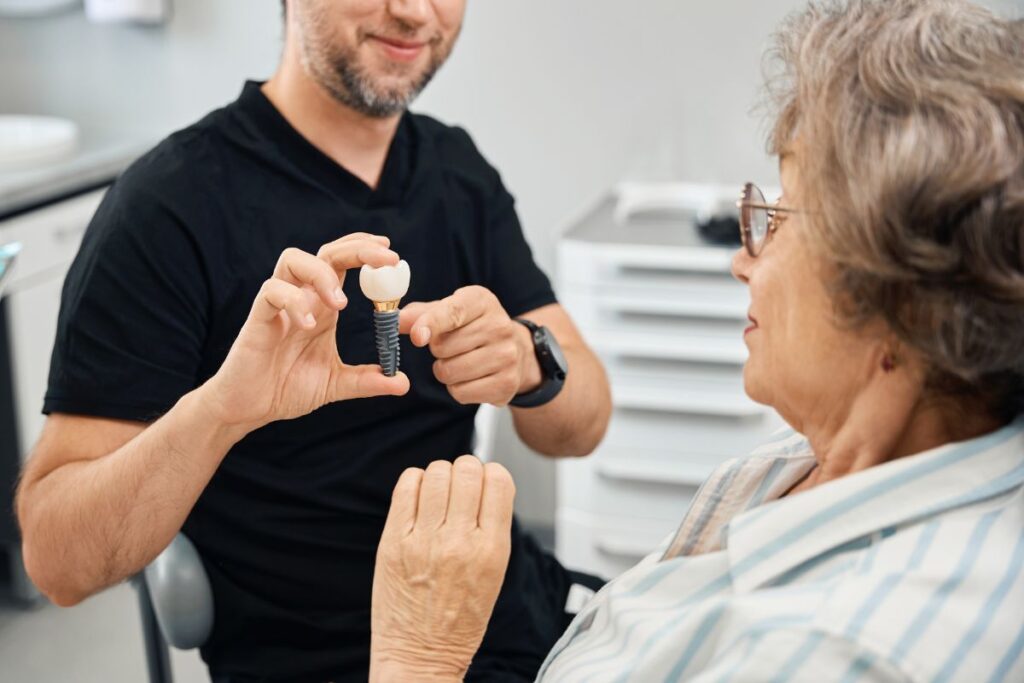
If you’re considering tooth replacement options in Huntley, understanding how healing works after implant placement can help you feel more prepared and confident. Dental implants involve a gradual process where your jawbone and gums adapt to the new structure. This guide explains each phase so you know what to expect and how to support a smooth recovery.
What Happens After Dental Implant Surgery?
Dental implant healing is not immediate—it occurs in stages as your body naturally integrates the implant. Right after the procedure, your mouth begins repairing soft tissue while also starting the deeper process of bone bonding. This process, known as osseointegration, is what makes implants stable and long-lasting.
In the first few days, mild swelling, sensitivity, and slight bleeding are normal. Your dentist may recommend rest and a soft-food diet to protect the surgical area. Proper care during this period lays the foundation for successful healing.
Stage 1 – Initial Healing (First Week)
Managing Discomfort and Swelling
During the first week, your gums begin to close around the implant site. Swelling typically peaks within 48 hours and then gradually decreases. You may be advised to avoid hot foods, strenuous activity, and touching the area.
Following aftercare instructions is essential. Gentle oral hygiene and prescribed medications can help prevent infection and support faster healing.
Stage 2 – Bone Integration (1 to 3 Months)
The Osseointegration Process
This is one of the most important stages of recovery. Over several weeks, your jawbone grows around the implant, anchoring it securely in place. While you may not feel much happening, this internal process determines the long-term success of your implant.
Patients in Huntley who choose dental implants often find this phase requires patience, but it ensures durability comparable to natural teeth. Regular checkups allow your dentist to monitor progress and make adjustments if needed.
Stage 3 – Abutment Placement (3 to 6 Months)
Preparing for the Final Restoration
Once the implant has fused with the bone, a small connector called an abutment is placed. This step may involve a minor procedure to reopen the gum and attach the abutment.
Healing after this stage is usually quicker, often taking a couple of weeks. The gums shape themselves around the abutment, creating a natural-looking base for the final crown.
Stage 4 – Final Crown Placement
Completing Your Smile
The last step involves attaching a custom-made crown to the abutment. This crown is designed to match the color, shape, and alignment of your natural teeth. Once placed, your implant functions like a regular tooth, allowing you to eat and speak comfortably.
At this point, your recovery is essentially complete, though maintaining oral hygiene and routine dental visits remains important.
Tips for a Smooth Recovery
Healing varies from person to person, but certain habits can support better outcomes. Maintaining oral hygiene, attending follow-up appointments, and avoiding smoking can significantly improve healing time. Sticking to your dentist’s recommendations helps ensure your implant remains stable for years.
If you’re planning treatment, take the time to visit our dental office in Huntley to discuss your specific needs and receive personalized guidance.
When to Contact Your Dentist
While most implant recoveries progress without complications, you should reach out if you experience prolonged pain, excessive swelling, or signs of infection. Early intervention can prevent more serious issues and protect your investment in your oral health.
Dental implant healing is a step-by-step process that leads to a stable, natural-looking result. By understanding each stage, you can feel more at ease throughout the process and take the right steps toward recovery.
If you’re ready to restore your smile or have questions about treatment, contact us today to schedule your consultation and begin your journey toward improved oral health.
FAQs
1. How long does it take for dental implants to fully heal?
Healing typically takes between 3 to 6 months, depending on bone integration and individual health factors.
2. Is pain normal after implant surgery?
Mild discomfort is common in the first few days and usually subsides with proper care and medication.
3. Can I eat normally after getting implants?
You should stick to soft foods initially and gradually return to your normal diet as healing progresses.
4. What is osseointegration?
It is the process where the implant fuses with the jawbone, creating a stable foundation for the artificial tooth.
5. Are follow-up visits necessary?
Yes, regular checkups help ensure the implant is healing correctly and allow your dentist to monitor progress.
6. What should I avoid during recovery?
Avoid smoking, hard foods, and excessive physical activity during the early stages of healing.
7. How do I care for my implant after healing?
Maintain daily brushing, flossing, and routine dental visits to keep your implant and surrounding gums healthy.