
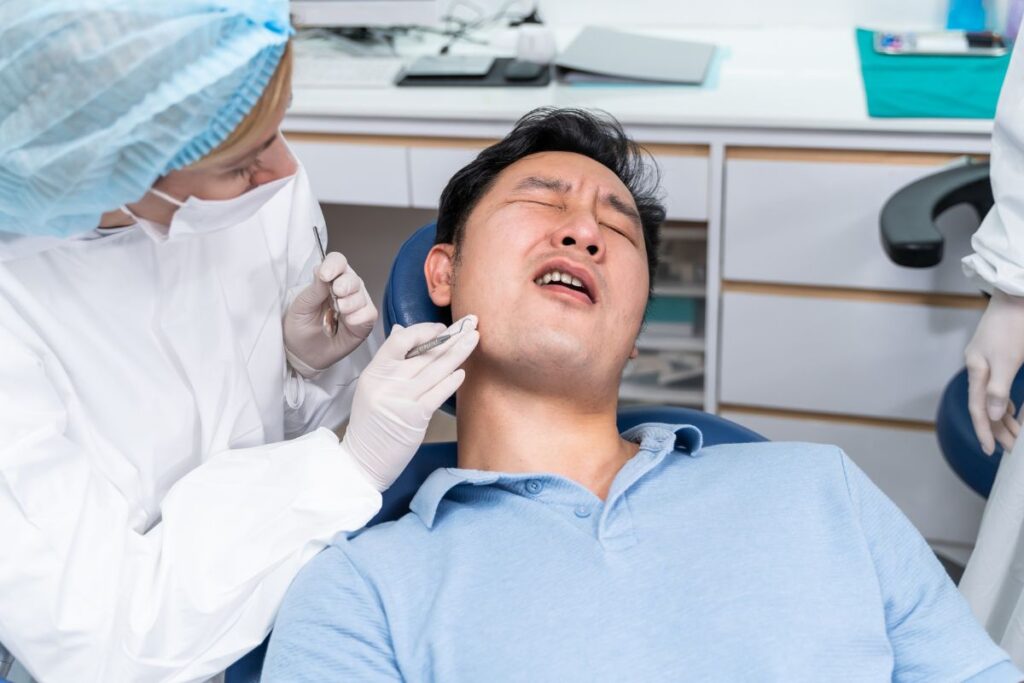
Dental injuries can happen when you least expect them. Whether caused by a sports accident, a fall, or biting into something hard, a damaged tooth can affect your comfort, appearance, and oral health. In Huntley, seeking prompt dental care after an injury can make a significant difference in the outcome. Understanding how emergency dental treatment works can help you act quickly and protect your smile when unexpected situations arise.
What Is Considered a Damaged Tooth?
A damaged tooth can range from a minor chip to a severe fracture that exposes the inner structures of the tooth. Some people may also experience a loose tooth, a knocked-out tooth, or damage caused by untreated decay.
Even if the injury seems minor, it is important not to ignore it. Small cracks can worsen over time and potentially lead to infection or additional structural damage.
Why Immediate Treatment Matters
Prompt treatment is often one of the most important factors in preserving a damaged tooth. Delaying care may allow bacteria to enter the damaged area, increasing the risk of infection and discomfort.
Seeking professional attention promptly can improve the chances of restoring the tooth and help prevent complications that may require more extensive treatment later.
H3: Common Symptoms That Require Urgent Attention
Certain symptoms indicate the need for immediate dental care. Severe pain, persistent bleeding, swelling, sensitivity, or difficulty chewing should never be ignored. These signs may suggest significant damage beneath the tooth’s surface.
A dental evaluation can determine the extent of the injury and identify the most appropriate treatment approach.
How Emergency Dentists Evaluate Tooth Damage
When a patient arrives with a dental injury, the dentist performs a thorough examination of the affected area. This may include visual assessments and dental imaging to determine whether the tooth root, surrounding bone, or soft tissues have been affected.
Many individuals experiencing a dental emergency in Huntley seek care because they understand that quick intervention can improve the likelihood of preserving the natural tooth. Early diagnosis helps dentists develop a treatment plan that addresses both immediate concerns and long-term oral health.
Treatment Options for Restoring a Damaged Tooth
The type of treatment depends on the severity of the damage. Minor chips may be repaired using dental bonding, while larger fractures may require a dental crown to restore strength and appearance.
In cases where the inner pulp of the tooth has been affected, root canal therapy may be recommended to remove infection and preserve the tooth structure. For severely damaged teeth, additional restorative procedures may be necessary to restore function and stability.
Restoring Appearance and Function
A damaged tooth can affect more than your smile. It may interfere with speaking, eating, and overall comfort. Emergency dental treatment focuses on restoring both the appearance and functionality of the tooth.
Modern restorative techniques allow many damaged teeth to be repaired in ways that blend naturally with surrounding teeth, helping patients regain confidence in their smiles.
What to Do Before Your Emergency Appointment
If you experience a dental injury, taking the proper steps before your appointment can help protect the tooth. Rinse your mouth gently with warm water and avoid chewing on the affected side.
If a tooth has been knocked out, handle it carefully by the crown rather than the root and seek immediate care. These actions may improve the chances of successful treatment.
Preventing Future Dental Emergencies
While accidents cannot always be avoided, certain precautions can reduce the risk of dental injuries. Wearing a mouthguard during sports activities, avoiding chewing hard objects, and maintaining regular dental visits can help protect your teeth.
If you have concerns about a damaged tooth or sudden dental injury, visit our dental office in Huntley for prompt evaluation and care.
A damaged tooth should never be ignored. Quick action can often make the difference between saving a tooth and facing more complex dental issues. Emergency dentists play a vital role in diagnosing injuries, relieving discomfort, and restoring oral function. Whether you have a chipped tooth, a fracture, or another urgent dental concern, professional treatment can help protect your long-term oral health. Contact us today if you need immediate dental care or have questions about a dental injury.
Frequently Asked Questions
1. What qualifies as a dental emergency?
Severe tooth pain, broken teeth, knocked-out teeth, swelling, and uncontrolled bleeding are common dental emergencies.
2. Can a chipped tooth be repaired?
Yes. Depending on the extent of the damage, bonding, crowns, or other restorative treatments may be used.
3. How soon should I seek care for a damaged tooth?
It is recommended to seek treatment as soon as possible to prevent further damage and complications.
4. What should I do if my tooth is knocked out?
Handle the tooth carefully, keep it moist, and seek immediate dental attention.
5. Can an emergency dentist save a severely damaged tooth?
In many cases, prompt treatment can preserve and restore a damaged tooth.
6. Will a damaged tooth always require a crown?
Not necessarily. Treatment depends on the severity and location of the damage.
7. How can I reduce my risk of dental injuries?
Using protective mouthguards, maintaining oral health, and avoiding habits that stress the teeth can help reduce the risk of injury.