
Missing teeth can affect your ability to eat, speak, and smile with confidence. Many people in Huntley who are considering tooth replacement want to know whether dental implants are truly permanent. While dental implants are designed to provide a long-lasting solution, their lifespan depends on several important factors. Understanding how implants work and how to care for them can help you protect your investment and maintain your oral health for years to come.
What Makes Dental Implants Different?
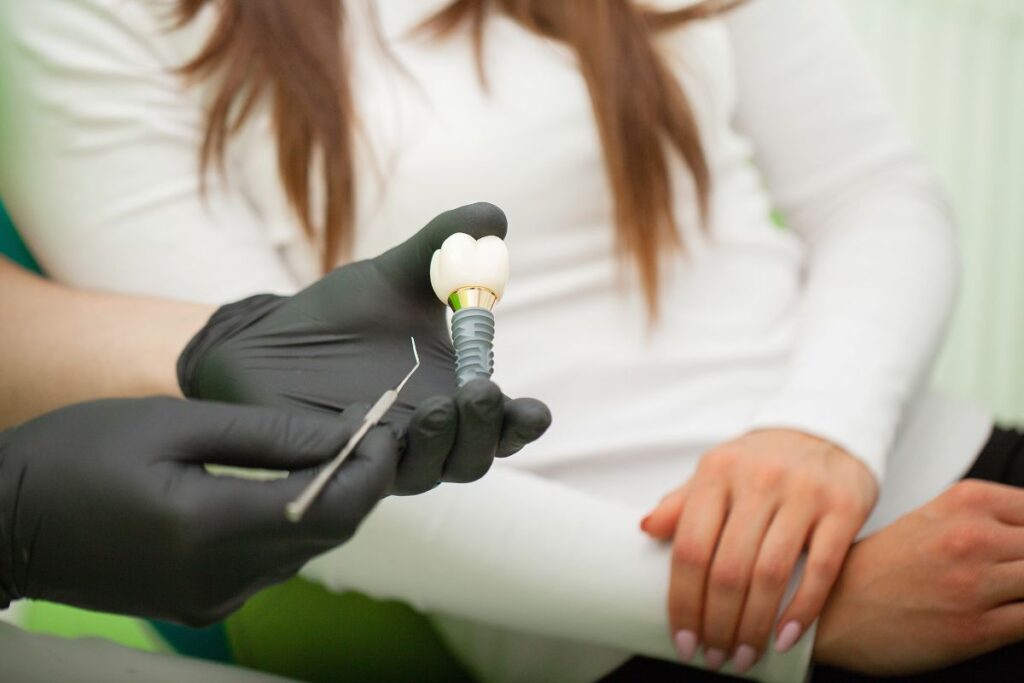
Dental implants are designed to replace both the visible portion of a tooth and its root. A small titanium post is placed into the jawbone, where it gradually bonds with the surrounding bone through a natural healing process called osseointegration. Once healing is complete, a custom-made crown is attached to the implant, creating a stable and natural-looking replacement.
Unlike removable dentures, implants remain securely in place and help preserve jawbone density while restoring normal chewing function.
Are Dental Implants Truly Permanent?
The implant post itself is intended to be a long-term replacement and may last for decades with proper maintenance. However, the crown attached to the implant may eventually need replacement due to everyday wear.
Patients in Huntley considering dental implant treatment often ask how they can maximise the lifespan of their treatment. Maintaining healthy gums, following proper oral hygiene, and attending regular dental visits all contribute to long-term implant success.
Daily Care Makes a Lasting Difference
Although implants cannot develop cavities, the surrounding gum tissue can still become inflamed if plaque accumulates. Brushing twice a day, flossing carefully around the implant, and using any recommended cleaning aids help protect the implant and surrounding tissues from complications.
Factors That Influence Implant Longevity
Several factors determine how long dental implants remain healthy and functional.
Oral hygiene is one of the most important. Plaque buildup around the implant can lead to peri-implant disease, which affects the gums and supporting bone.
Lifestyle habits also matter. Smoking may interfere with healing and increase the likelihood of implant complications. Likewise, using teeth to open packages or chewing hard objects can place unnecessary pressure on both the implant and restoration.
Overall health also plays a role. Medical conditions that affect healing or bone health may influence the long-term success of implant treatment. Regular evaluations help monitor the health of both the implant and surrounding tissues.
Routine Dental Visits Protect Your Implant
Professional cleanings and examinations allow your dentist to identify early signs of gum inflammation, wear, or bite changes before they become more serious concerns. Early care often helps extend the lifespan of your implant restoration.
Why Many Patients Choose Dental Implants
Dental implants offer several advantages beyond replacing missing teeth. Because they function similarly to natural tooth roots, they help maintain jawbone strength and prevent neighbouring teeth from shifting into empty spaces.
Patients often appreciate the stability implants provide while eating and speaking. They also eliminate the need for removable appliances and contribute to a more natural appearance.
With proper care, implants continue to support everyday activities while helping to preserve overall oral health.
Caring for Your Dental Implants
Maintaining implants requires many of the same habits recommended for natural teeth. Daily brushing, flossing, limiting tobacco use, and eating a balanced diet all contribute to healthier gums and supporting bone.
Regular dental checkups remain an important part of long-term care. If you are considering tooth replacement or have questions about implant treatment, visit our dental office in Huntley to discuss your options and receive personalised recommendations.
Dental implants are among the most dependable options available for replacing missing teeth. While the implant post is designed for long-term function, its success depends on healthy habits, regular professional care, and healthy gums. Understanding these factors allows patients to enjoy the lasting benefits that implants can provide for many years.
Interested in learning whether dental implants are right for you? Contact us today to schedule a consultation and learn more about restoring your smile with long-lasting tooth replacement solutions.
FAQs
1. Are dental implants designed to last forever?
The implant post may last for decades, while the crown may eventually require replacement because of normal wear.
2. Can dental implants fail?
Although implant success rates are high, poor oral hygiene, smoking, or untreated gum disease can increase the risk of complications.
3. Do dental implants require special cleaning?
No. Brushing, flossing, and routine dental cleanings are usually sufficient to maintain healthy implants.
4. Can anyone receive dental implants?
Many healthy adults are candidates, but your dentist will evaluate your gums, jawbone, and overall health before recommending treatment.
5. How long does the dental implant process take?
Treatment length varies depending on healing and individual needs, but the complete process often takes several months.
6. Will dental implants feel like natural teeth?
Yes. Once fully healed, implants are designed to provide stability and function similar to natural teeth.
7. How often should dental implants be checked?
Routine dental examinations every six months, or as recommended by your dentist, help ensure your implants remain healthy and functional.