
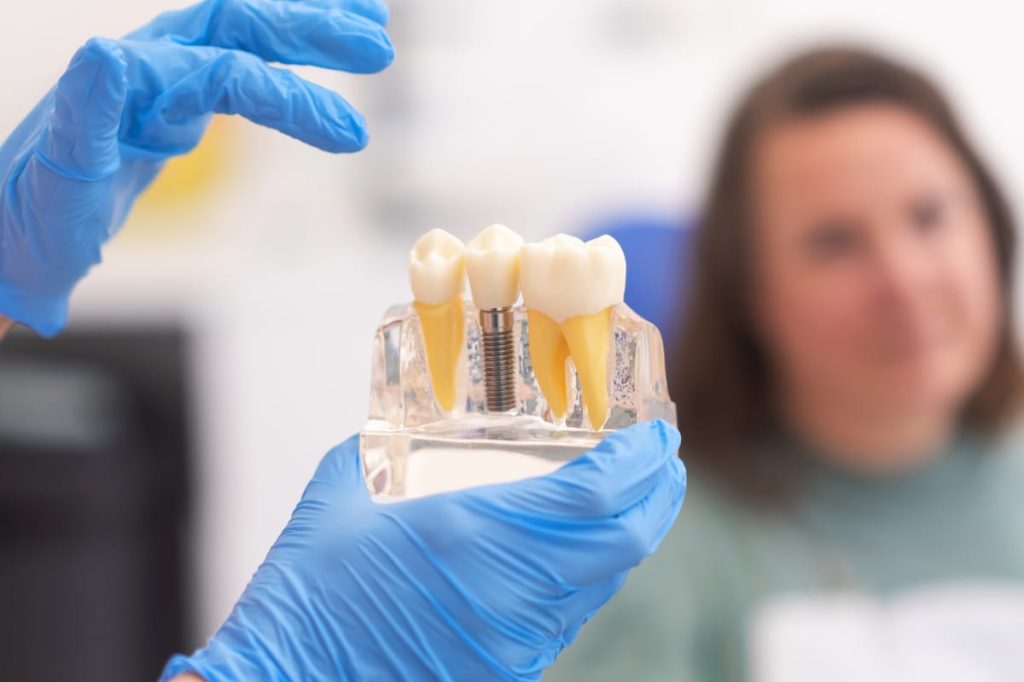
If you are considering dental implants in Huntley, IL, you probably have questions about the recovery process. Knowing what to expect during dental implant recovery week by week in Huntley can make the entire experience far less stressful. At Dental Arts of Huntley, Dr. Shobhit Bansal and our team guide patients through every stage. This article breaks down the timeline, what to eat, how to manage discomfort, and how to protect your investment long term.
Week-by-Week Dental Implant Recovery Timeline
Recovery after dental implant placement happens in predictable stages. Understanding each phase helps you stay calm and informed. Most patients move through recovery smoothly when they follow their care instructions closely.
Days 1–3: This is the most intense period of healing. Swelling, minor bleeding, and soreness are completely normal. Your body is beginning the process of integrating the implant with your jawbone.
Days 4–7: Swelling typically peaks around day three and then gradually decreases. Many patients feel noticeably better by day five or six. You may still have some tenderness when chewing.
Weeks 2–4: Most of the visible swelling and bruising fades during this phase. Soft tissue around the implant site continues to heal. Energy levels return to normal for most patients.
Months 2–6: This is the osseointegration phase. The implant fuses with the surrounding bone tissue. This process is critical to the long-term stability of your new tooth.
What to Eat During Dental Implant Recovery
Your diet plays a huge role in how well and how quickly you heal. Eating the wrong foods can disturb the implant site and slow recovery. Dr. Bansal recommends sticking to soft, nutrient-rich options during the first few weeks.
Here are some great soft food choices to focus on after implant placement:
- Scrambled eggs and soft omelettes
- Yogurt, smoothies, and protein shakes
- Mashed potatoes, soft cooked vegetables
- Soups and broths (not too hot)
- Soft fish like tilapia or salmon
- Oatmeal, pudding, and applesauce
Avoid hard, crunchy, or chewy foods for at least the first four to six weeks. These include raw carrots, nuts, crusty bread, and tough meats. Also avoid using a straw, as suction can disrupt healing tissue.
After osseointegration is complete, you can gradually reintroduce your normal diet. Your dentist will confirm when it is safe to do so. Always introduce harder foods slowly and with care.
Managing Discomfort and Swelling After Implant Placement
Pain management is a top concern for most implant patients. The good news is that modern implant procedures are far more comfortable than most people expect. Dr. Bansal at Dental Arts of Huntley prioritizes patient comfort at every step, including through Cosmetic Dentistry in Huntley designed with your wellbeing in mind.
Follow these tips to manage discomfort effectively during your recovery:
- Take prescribed or over-the-counter pain medication as directed
- Apply an ice pack to your cheek for 20 minutes on, 20 minutes off
- Keep your head elevated, especially while sleeping in the first few days
- Avoid strenuous physical activity for at least 48 to 72 hours
- Rinse gently with warm salt water starting the day after surgery
- Do not touch or probe the surgical site with your tongue or fingers
If pain suddenly worsens after the first week, contact our office right away. This could signal an infection or implant complication. Catching issues early leads to better outcomes.
Swelling is your body’s natural response to surgery. It is not a sign that something went wrong. Most swelling resolves within 10 to 14 days without any special treatment.
Oral Hygiene During Implant Recovery
Keeping your mouth clean is essential during recovery. However, you must be gentle around the surgical site. Aggressive brushing or rinsing can disrupt healing tissue and increase your risk of complications.
For the first 24 hours, avoid rinsing your mouth at all. Starting on day two, rinse gently with warm salt water two to three times per day. Use a soft-bristled toothbrush and brush carefully around the implant area.
Avoid commercial mouthwashes with alcohol during the early stages of healing. Alcohol-based rinses can irritate sensitive tissue. Ask Dr. Bansal which rinse is appropriate for your specific situation.
As healing progresses, your normal oral hygiene routine can resume. Good home care protects not just the implant but your entire smile. This aligns directly with the goals of General Dentistry services, which focus on long-term oral health for the whole family.
Long-Term Care for Your Dental Implants
Dental implants can last a lifetime with proper care. The steps you take during and after recovery directly affect the longevity of your implant. Dr. Bansal encourages every patient to think of implant care as an ongoing commitment.
After full healing, treat your implant like a natural tooth. Brush twice daily, floss regularly, and attend routine dental check-ups every six months. These habits prevent peri-implantitis, a condition similar to gum disease that can affect implant stability.
Avoid habits that can damage implants over time. Do not use your teeth as tools to open packaging. Avoid chewing on ice or hard candy. If you grind your teeth at night, ask about a custom night guard to protect your implant and surrounding teeth.
Regular professional cleanings allow our team to monitor your implant and catch any concerns early. Your long-term success starts with the choices you make right after placement. Stay consistent with your care routine and your implant will serve you well for decades.
Start Your Implant Journey with Confidence in Huntley
Understanding your recovery timeline takes the mystery out of the process. At Dental Arts of Huntley, Dr. Shobhit Bansal and our caring team are with you every step of the way. We make sure you have all the information you need before, during, and after your procedure. Contact Dental Arts of Huntley to schedule your appointment with our team.
Frequently Asked Questions
Q 1. How long does dental implant recovery take in Huntley?
Most patients feel comfortable within one to two weeks after implant placement. However, full osseointegration — where the implant fuses with the jawbone — takes three to six months. Dr. Bansal will monitor your progress at follow-up visits to confirm healing is on track.
Q 2. Is dental implant recovery painful?
Most patients experience mild to moderate discomfort during the first three to five days. Over-the-counter pain relievers and ice packs are usually enough to manage it. Dr. Bansal may also prescribe medication depending on your individual needs and the complexity of your procedure.
Q 3. What foods should I avoid after getting a dental implant?
Avoid hard, crunchy, sticky, or very chewy foods for the first four to six weeks. This includes nuts, raw vegetables, tough meats, and chewy candies. Stick to soft, nutrient-dense foods to support faster healing.
Q 4. When can I return to work after dental implant surgery?
Many patients return to desk work within one to two days. If your job involves physical labor, you may need three to five days off. Always follow Dr. Bansal’s specific post-operative instructions for your situation.
Q 5. How do I know if my dental implant is healing correctly?
Gradual improvement in comfort, reduced swelling, and stable gum tissue are all positive signs. If you notice increasing pain, swelling after the first week, or a bad taste near the site, contact Dental Arts of Huntley right away. Early intervention prevents most complications.