
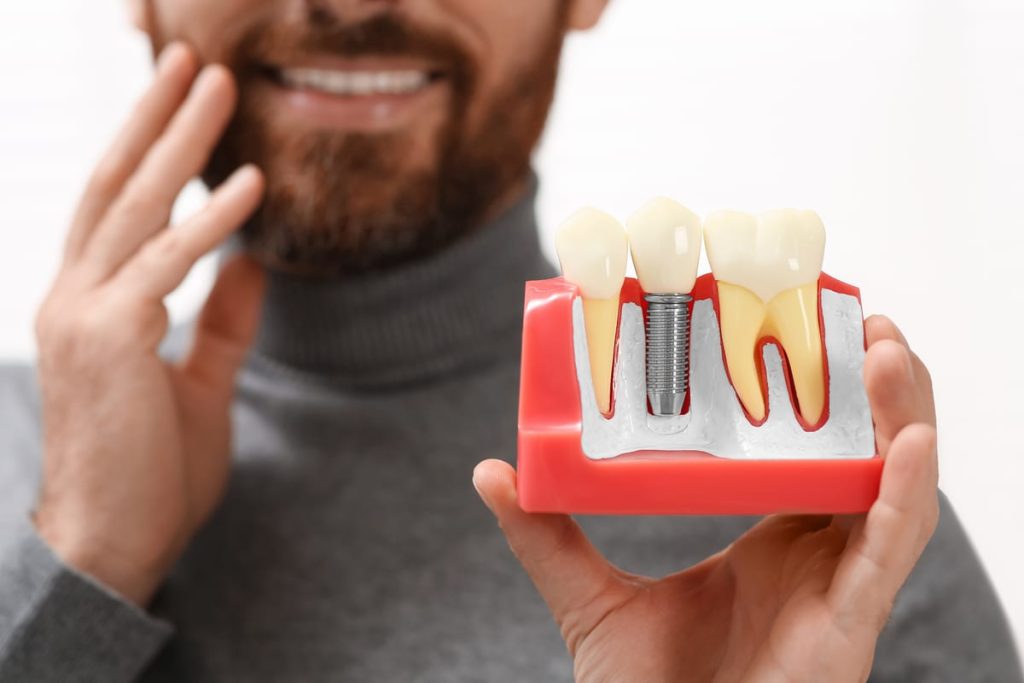
Understanding your full mouth implants recovery week-by-week timeline and care guide in Lakewood helps you feel confident from day one. Recovery is more manageable when you know what to expect at each stage. Dr. Shobhit Bansal at Dental Arts of Huntley guides every patient through this journey. With the right knowledge and support, healing can go smoothly and comfortably.
What Happens Immediately After Full Mouth Implant Surgery
The first 24 to 48 hours after surgery are the most intense part of recovery. Your mouth will feel sore, swollen, and possibly numb from anesthesia. This is completely normal and expected. Rest is your most important job during this window.
You may notice minor bleeding around the implant sites. Gently biting on gauze helps control this. Do not rinse aggressively or spit forcefully during the first day. These actions can disturb the clotting process and delay healing.
Swelling typically peaks around day two or three. Applying an ice pack in 20-minute intervals helps reduce inflammation. Keep your head elevated — even while sleeping — to minimize swelling. Most patients find that following these steps makes the first days far more comfortable.
Your Week-by-Week Recovery Timeline in Lakewood
Breaking recovery into weekly milestones makes the process feel less overwhelming. Here is what most patients experience after full mouth implant placement:
- Week 1: Soreness, swelling, and fatigue are at their peak. Stick to soft foods and prescribed medications.
- Week 2: Swelling begins to reduce. You may feel more like yourself. Light activities can resume.
- Week 3–4: Most soft tissue healing is well underway. Eating becomes easier and more comfortable.
- Months 2–3: Implants begin fusing with the jawbone in a process called osseointegration.
- Months 4–6: Full osseointegration is often complete. Final restorations may be placed at this stage.
Every patient heals at a different pace. Age, health, and bone density all play a role. Dr. Bansal will monitor your progress at each check-up visit. Lakewood patients receive a personalized recovery plan tailored to their specific needs.
What to Eat and What to Avoid During Recovery
Your diet plays a huge role in how well and how quickly you heal. Choosing the right foods protects the surgical sites and supports tissue repair. Eating the wrong things can cause pain, irritation, or even implant failure.
During the first two weeks, stick to a soft food diet. These foods are safe and nourishing during early recovery:
- Yogurt, applesauce, and smoothies
- Mashed potatoes and soft-cooked vegetables
- Scrambled eggs and cottage cheese
- Oatmeal and cream of wheat
- Soft fish like tilapia or salmon
Avoid hard, crunchy, sticky, or spicy foods during this period. Stay away from straws — the suction can disrupt healing. Hot beverages can increase swelling and bleeding. Alcohol should also be avoided, especially while taking prescription medications.
By weeks three and four, you can gradually reintroduce softer versions of your regular diet. Always chew on both sides evenly to avoid putting pressure on one implant site. Your dental team will advise you when it is safe to eat normally again.
Pain Management and Oral Care Tips During Healing
Managing discomfort effectively helps you stay on track with recovery. Dr. Bansal will prescribe or recommend appropriate pain relief after surgery. Over-the-counter anti-inflammatories like ibuprofen often help significantly. Take medications as directed and never wait until pain becomes severe.
Good oral hygiene is essential — but it must be done gently. Here is how to care for your mouth during recovery:
- Rinse with warm salt water starting 24 hours after surgery
- Use a soft-bristled toothbrush around implant sites
- Avoid electric toothbrushes on healing areas for the first few weeks
- Follow any antimicrobial rinse instructions from your dentist
Do not skip oral hygiene out of fear of hurting the area. Keeping surgical sites clean prevents infection and supports faster healing. Infection is one of the most common complications after implant surgery. Gentle, consistent care makes a major difference in your outcome.
If you experience unusual pain, a bad taste, or fever, contact Dental Arts of Huntley right away. These could be signs of infection or a complication that needs prompt attention. Early intervention prevents small issues from becoming major setbacks.
Long-Term Care for Your Full Mouth Implants
Once your implants have fully integrated, maintaining them becomes your top priority. Implants do not decay like natural teeth — but the surrounding gum and bone can still be affected by poor hygiene. Gum disease around implants, called peri-implantitis, can lead to implant failure if left untreated.
Visit Dental Arts of Huntley for regular check-ups every six months. Professional cleanings remove bacteria that brushing alone cannot reach. X-rays help Dr. Bansal monitor the bone levels around each implant. Catching problems early protects your long-term investment.
Avoid habits that can damage implants over time. Do not chew on ice, hard candies, or pen caps. If you grind your teeth at night, ask about a custom night guard. These small steps protect your implants for decades to come.
Patients in Lakewood interested in complementary care options can also explore Cosmetic Dentistry Lakewood services to enhance their smile after full healing. For ongoing oral health maintenance, General Dentistry Lakewood services keep everything in top condition between implant follow-ups.
Conclusion: You Are Not Alone in Your Recovery
Recovering from full mouth implants is a journey — not a single event. Each week brings progress, and each milestone brings you closer to a confident, functional smile. Dr. Shobhit Bansal and the team at Dental Arts of Huntley are with you at every step. Lakewood patients deserve attentive, personalized care throughout the entire process.
You do not need to navigate this alone or guess what comes next. Our team is available to answer your questions, address concerns, and keep your recovery on track. Knowing your full mouth implants recovery week-by-week timeline and care guide in Lakewood gives you the confidence to heal well. Contact Dental Arts of Huntley to schedule your appointment with our team.
Frequently Asked Questions
Q 1. How long does full mouth implant recovery take in total?
Full recovery typically takes between four and six months. The soft tissue heals within the first few weeks. However, osseointegration — where the implant fuses with the jawbone — takes several months. Dr. Bansal will confirm when your implants are fully healed before placing final restorations.
Q 2. Is recovery from full mouth implants very painful?
Most patients experience moderate discomfort during the first few days. Prescribed or over-the-counter pain medications manage this effectively. The pain typically decreases significantly by the end of the first week. Many patients are surprised by how manageable the discomfort is with proper care.
Q 3. What foods can I eat right after full mouth implant surgery?
Stick to soft, cool or lukewarm foods for the first two weeks. Good options include yogurt, smoothies, mashed potatoes, scrambled eggs, and soft fish. Avoid hard, crunchy, sticky, or very hot foods. Your dental team will guide you on when to transition back to a regular diet.
Q 4. Can I brush my teeth after full mouth implant surgery?
Yes, but you must be very gentle around the surgical sites. Use a soft-bristled toothbrush and avoid electric toothbrushes on healing areas initially. Warm salt water rinses starting 24 hours after surgery help keep the area clean. Good oral hygiene during recovery is essential for preventing infection.
Q 5. How do I know if something is wrong during my recovery?
Watch for signs like increased pain after the first few days, a bad taste, fever, or unusual swelling. These may indicate infection or another complication. Contact Dental Arts of Huntley immediately if you notice any of these symptoms. Prompt attention prevents minor issues from becoming serious problems.