
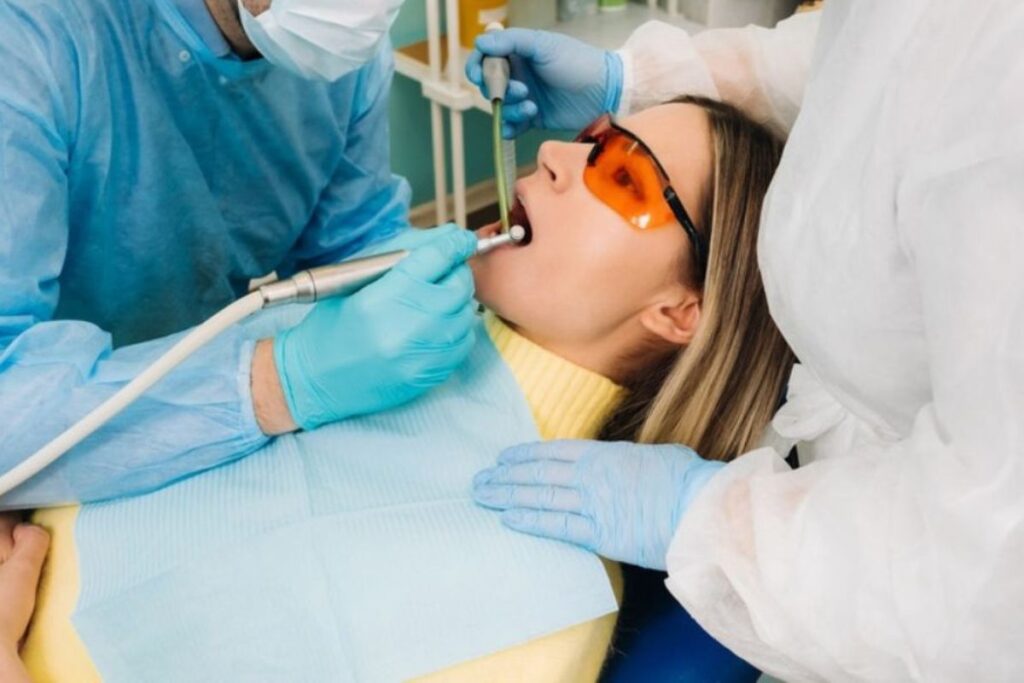
Dental emergencies can strike when you least expect them—during a meal, at work, or even in your sleep. Whether it’s sudden pain, a broken tooth, or an injury, knowing how to respond quickly can make a major difference in preventing complications. In this blog, we’ll walk through some of the most common dental emergencies and the essential first aid steps to take before getting professional care.
Toothaches and Sudden Pain
Causes and Immediate Care
Toothaches are one of the most common dental complaints. They can be caused by decay, infection, trauma, or even something stuck between your teeth. Start by gently rinsing your mouth with warm saltwater to cleanse the area. You can also use dental floss to remove anything caught between the teeth. If the pain persists, applying a cold compress to the outside of your cheek can help reduce swelling and numb the area.
Avoid placing aspirin directly on the gums, as it may burn the tissue. Over-the-counter pain medication may provide temporary relief, but ongoing pain needs professional attention.
Handling a Knocked-Out Tooth
Time Is Critical
If a tooth is knocked out due to injury or impact, stay calm and act quickly. Pick up the tooth by the crown—avoid touching the root. Gently rinse it with water without scrubbing. Try to place the tooth back into its socket. If that’s not possible, store it in milk or a saline solution and get to a dentist immediately. Acting within 30 minutes can greatly improve the chances of saving the tooth.
Cracked or Broken Teeth
Protecting the Damaged Area
A cracked or chipped tooth may not always cause pain, but it should never be ignored. Rinse your mouth with warm water and apply a cold compress on the outside of your cheek to prevent swelling. If there are sharp edges, cover them with dental wax or sugar-free gum to avoid cuts on your tongue or cheek. Try not to chew on that side until a dentist can assess the damage.
Dealing with Lost Fillings or Crowns
Temporary Relief at Home
When a filling or crown falls out, the exposed tooth can become very sensitive. Until you can see a dentist, try using dental cement (available at most pharmacies) to temporarily cover the area. Sugar-free gum can also work in a pinch. Keep the area clean and avoid chewing hard or sticky foods. If you have the crown, bring it with you to the dentist.
This is the point when it’s smart to look into local care options, such as an emergency dentist in Huntley, who can provide prompt attention and avoid long-term complications.
Signs That Require Immediate Help
Know When to Call
Not all dental issues require a visit to the ER, but some signs should never be ignored. Intense or throbbing pain, bleeding that won’t stop, swelling in the face or jaw, and signs of infection like fever or pus may indicate a serious issue. Dental abscesses, for example, can lead to widespread infection if not treated quickly.
The Role of First Aid in Dental Emergencies
Simple Steps That Make a Difference
Administering basic first aid during a dental emergency can help stabilize the situation until professional care is available. Rinsing with warm saltwater, using cold compresses, and protecting damaged areas with temporary materials are all helpful actions. These small steps can reduce discomfort and prevent the problem from getting worse.
Being Prepared for the Unexpected
Build a Small Emergency Kit
Consider preparing a small dental emergency kit with essentials like sterile gauze, a small container with a lid, dental wax, salt packets, and pain relievers. Having these items on hand allows you to act quickly and effectively if something goes wrong, at home or on the go.
In case you need urgent care, don’t hesitate to visit our dental office to get the professional support your smile deserves.
Dental emergencies can be distressing, but being prepared and knowing what to do can help you stay calm and in control. Prompt first aid and professional care are essential for protecting your teeth and preventing lasting damage. When in doubt, seek expert help as soon as possible—your oral health is worth it.