
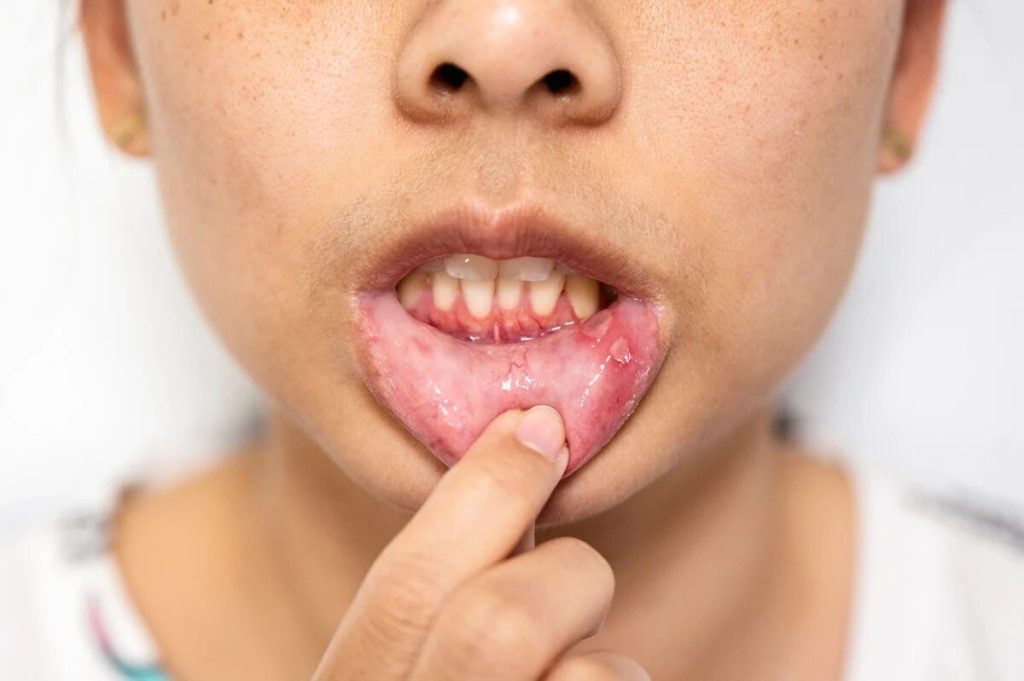
Have you noticed that your gums look a little redder than usual, feel tender when you brush, or bleed when you floss? It’s easy to brush off these changes, especially if the discomfort comes and goes. But swollen or tender gums can be early warning signs of gum disease, a common oral health problem that often develops without causing much pain at first.
The good news? Recognizing the signs early can help you protect your gums, prevent further damage, and keep your smile healthy. Whether you’ve noticed occasional bleeding or persistent gum swelling, understanding what’s happening in your mouth is an important first step.
Let’s look at the early symptoms of gum disease, what causes them, and how you can keep your gums healthy.
What Does Healthy Gum Tissue Look Like?
Healthy gums play an important role in supporting your teeth and protecting the tissues underneath. They’re generally firm, fit snugly around the teeth, and appear pink or naturally pigmented, depending on your skin tone. They shouldn’t regularly bleed during brushing or flossing.
When plaque builds up along the gumline, it can irritate the tissue and trigger inflammation. You may notice redness, puffiness, tenderness, or bleeding. These changes can indicate gingivitis, the earliest stage of gum disease.
Gingivitis is often reversible with good daily oral hygiene and professional dental care. However, if it isn’t addressed, it can progress to periodontitis, a more serious condition that damages the tissues and bone supporting your teeth.
The important thing to remember: Gum disease doesn’t always cause obvious pain. Paying attention to small changes can help you seek care before the problem becomes more serious.
7 Early Signs of Gum Disease You Shouldn’t Ignore
Your gums can give you clues when something isn’t right. Here are seven signs worth watching for.
1. Red, Swollen, or Puffy Gums
One of the earliest signs of gum disease is inflammation along the gumline. Your gums may appear redder than usual, look puffy, or feel slightly swollen around certain teeth.
This happens when plaque bacteria irritate the gum tissue. You might notice the changes while brushing or looking in the mirror.
If your gums remain swollen for several days despite gentle, consistent oral hygiene, schedule a dental examination. Swelling can have other causes, too, so it’s important to identify what’s behind it.
2. Gums That Bleed When You Brush or Floss
Have you ever spit out toothpaste and noticed a little pink in the sink? Or seen blood on your floss after cleaning between your teeth?
Bleeding gums are a common early sign of gingivitis. While brushing too aggressively or starting a flossing routine after a long break can contribute to irritation, frequent bleeding shouldn’t be considered normal.
Instead of avoiding the area, continue cleaning gently with a soft-bristled toothbrush and appropriate flossing tools. If the bleeding persists or becomes heavy, contact your dentist for an evaluation.
3. Tenderness or Discomfort Along the Gumline
Healthy gums shouldn’t routinely feel sore when you brush, floss, or eat. If your gums feel tender to the touch or uncomfortable around certain teeth, inflammation may be the cause.
Tender gums can also result from brushing too hard, irritation from dental appliances, mouth injuries, or other oral health conditions.
Pay attention to how long the discomfort lasts and whether you notice swelling or bleeding alongside it. Persistent tenderness deserves professional attention rather than guesswork.
4. Persistent Bad Breath
Everyone experiences bad breath occasionally, especially after waking up or eating certain foods. However, breath that stays unpleasant despite regular brushing may point to plaque buildup or gum disease.
Bacteria in the mouth can produce odor-causing compounds, particularly when plaque and food particles collect around the gumline and between teeth.
If you have persistent bad breath along with swollen gums or bleeding, a dental cleaning and examination can help determine whether gum inflammation is contributing to the problem.
5. Gums That Seem to Be Pulling Away From Your Teeth
Do your teeth look longer than they used to? You may be noticing gum recession, which occurs when gum tissue moves away from the tooth surface.
Receding gums can expose the roots of your teeth, leading to sensitivity and making the teeth appear longer. Gum disease is one possible cause, although aggressive brushing, genetics, and other factors can also contribute.
Because gum recession may be difficult to reverse, it’s worth having it evaluated early.
6. Changes in How Your Teeth Fit Together
As gum disease progresses, the tissues and bone supporting your teeth can become damaged. In more advanced cases, teeth may loosen or your bite may feel different.
These changes aren’t typical signs of early gingivitis, but they can indicate a more serious periodontal problem or another dental condition.
If a tooth feels loose or your bite has changed unexpectedly, arrange a dental evaluation promptly. Don’t wait for pain to develop before seeking help.
7. Gum Pockets or Swelling Around Individual Teeth
Healthy gums fit closely around the teeth. With periodontal disease, the space between the teeth and gums can deepen, forming pockets where bacteria accumulate.
You may not be able to identify these pockets yourself, but your dentist can measure them during a periodontal examination. Localized swelling, pus, or a bad taste near one tooth can also indicate an infection that needs prompt attention.
If you notice pus, significant swelling, or worsening pain, contact a dental professional as soon as possible.
What Causes Gum Disease?
Plaque is the main cause of most gum disease. This sticky film of bacteria forms continuously on your teeth. When it isn’t removed regularly, it can irritate the gums. Over time, plaque can harden into tartar, which generally requires professional removal.
Several factors can increase your risk of gum problems, including:
- Inconsistent brushing or flossing
- Smoking or using other tobacco products
- Diabetes, particularly when blood sugar is poorly controlled
- Hormonal changes, including those during pregnancy
- Certain medications that affect saliva production or gum tissue
- Genetic susceptibility and a history of gum disease
You don’t need to have every risk factor to develop gum disease. Even people who brush regularly can experience gum inflammation, which is why routine dental checkups matter.
When Should You Visit a Dentist for Swollen or Tender Gums?
If your gums bleed frequently, remain swollen, or feel tender for more than a few days, don’t ignore the symptoms. Early professional care can help identify gingivitis before it progresses and determine whether another condition is responsible.
If you’re noticing these changes, visit our dental office located at 9920 IL-47, Huntley, IL 60142. At Dental Arts of Huntley, we can evaluate your gum health, check for plaque and tartar buildup, and recommend appropriate care based on your needs.
Depending on the findings, treatment may include a professional dental cleaning, improved home-care techniques, or a deeper cleaning if periodontal disease is present.
Seek urgent dental care if you develop severe gum pain, pus, or significant swelling. Facial swelling accompanied by fever, or difficulty swallowing or breathing, requires immediate medical attention.
How Can You Keep Your Gums Healthy at Home?
A few simple habits can make a real difference in your gum health. The goal is to remove plaque consistently without irritating your gums.
Brush twice a day. Use a soft-bristled toothbrush and fluoride toothpaste. Gently clean along the gumline, where plaque tends to accumulate.
Clean between your teeth daily. Floss or use another suitable interdental cleaner to remove plaque from areas your toothbrush can’t reach.
Schedule regular dental visits. Professional cleanings remove hardened tartar and give your dentist a chance to spot early signs of gum disease.
Avoid tobacco. Smoking increases the risk of gum disease and can make it harder for your gums to heal.
Choose a balanced diet. Eat a variety of vegetables, fruits, whole grains, and protein-rich foods. Limit frequent sugary snacks and drinks to help protect your overall oral health.
One more tip: If your gums bleed when you floss, don’t automatically stop cleaning between your teeth. Use a gentle technique, and arrange a dental visit if bleeding continues.
Protect Your Smile by Catching Gum Disease Early
Swollen, tender, or bleeding gums may seem like minor annoyances, but they can be your mouth’s way of telling you something needs attention. Gingivitis is often reversible when treated early, while advanced gum disease can cause lasting damage to the tissues and bone supporting your teeth.
The sooner you recognize the signs, the sooner you can take steps to protect your oral health.
If you’ve noticed persistent gum swelling, bleeding while brushing, ongoing bad breath, or changes in your gumline, the team at Dental Arts of Huntley is here to help.
Contact Dental Arts of Huntley today to schedule your appointment and take the next step toward healthier gums and a more confident smile. Your gums deserve the same attention as your teeth, and a little care today can make a meaningful difference over time.