
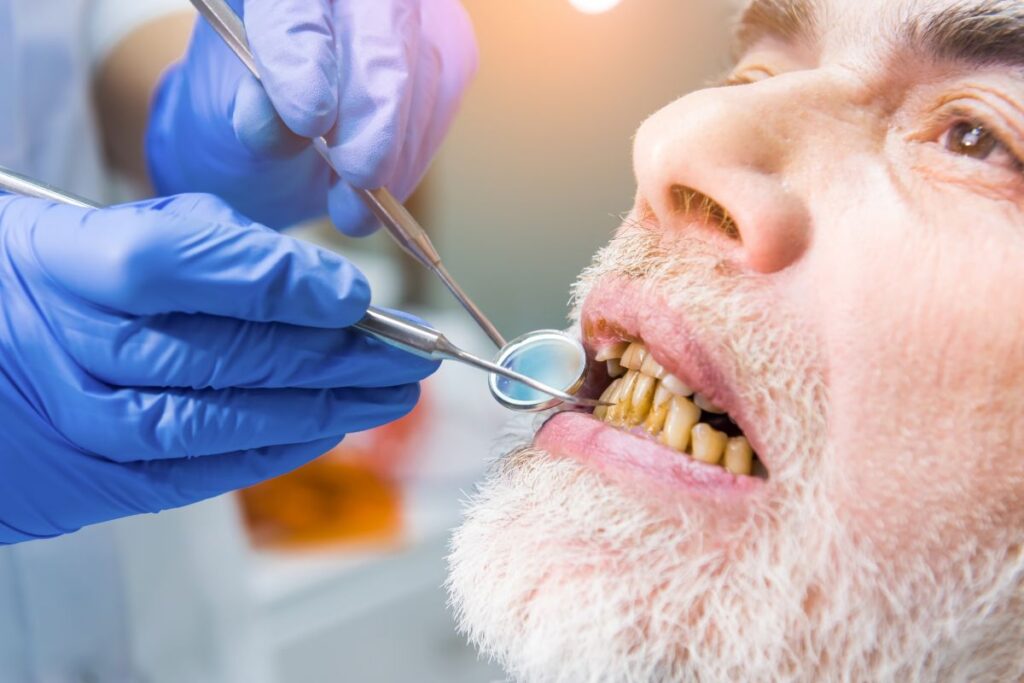
Aging brings many changes to the body, and oral health is no exception. For adults and seniors living in Huntley, understanding how teeth and gums age is key to maintaining comfort, confidence, and overall wellness. Daily habits, medical conditions, and natural wear and tear all influence oral health over time. With proper care and guidance, many age-related dental issues can be managed effectively.
The Natural Wear and Tear on Teeth
As people age, their teeth experience years of chewing, grinding, and exposure to different foods and beverages. Enamel, the hard outer layer of the tooth, gradually thins and becomes more vulnerable. This can lead to increased tooth sensitivity and a higher risk of fractures. Discoloration is also common as enamel wears down, revealing the darker dentin beneath. These changes are normal, but they require attention to prevent further damage and discomfort.
Gum Health Changes With Age
Healthy gums are essential for strong teeth, yet they often become more fragile over time. Gum tissue may recede, exposing the tooth roots and making them more sensitive to temperature changes. Reduced blood flow to the gums can also slow healing and increase the risk of inflammation. In Huntley, regular dental checkups with a dentist can help detect gum concerns early and keep them from progressing into more serious conditions.
Dry Mouth and Its Impact on Oral Health
Dry mouth becomes more common with age, often due to medications or chronic health conditions. Saliva plays a critical role in washing away bacteria and neutralizing acids. When saliva production decreases, the risk of tooth decay and gum irritation increases. Staying hydrated and following professional dental recommendations can help support a healthier oral environment.
Increased Risk of Tooth Decay and Infection
Older adults may be at higher risk of cavities, especially around existing fillings or along the gumline. Years of dental work can create areas where plaque builds more easily. A skilled dentist understands these challenges and focuses on preventive care to protect natural teeth. Maintaining consistent oral hygiene habits and scheduling routine evaluations are essential steps to reducing the risk of decay and infection as you age.
How Aging Affects Dental Alignment and Bite
Teeth can shift gradually over time due to bone changes, missing teeth, or uneven chewing pressure. These shifts may affect bite alignment and jaw comfort. When alignment issues go unaddressed, they can lead to headaches, jaw strain, and uneven tooth wear. Professional guidance helps ensure that these changes are monitored and managed appropriately.
Supporting Long-Term Oral Health in Huntley
Aging does not mean losing your smile. Thoughtful care, timely treatment, and professional support make a meaningful difference. Whether it’s monitoring gum health, addressing sensitivity, or restoring function, proactive care matters. Many patients find that choosing to visit our dental office in Huntley regularly helps them stay ahead of potential concerns and maintain oral comfort year after year.
When to Seek Professional Care
If you notice persistent sensitivity, bleeding gums, dry mouth, or changes in how your teeth fit together, it’s important to take action. Addressing these signs early can protect both oral and overall health. For personalized care and guidance tailored to your needs, contact us today to schedule an appointment and take the next step toward maintaining a healthy smile as you age.
FAQs
How does aging affect tooth sensitivity?
As enamel thins and gums recede, the inner parts of the tooth become more exposed, leading to increased sensitivity.
Is gum recession a normal part of aging?
Mild recession can occur with age, but good oral hygiene and professional care can slow its progression.
Why do older adults experience dry mouth more often?
Many medications and health conditions reduce saliva production, which becomes more common with age.
Can aging cause tooth loss?
Tooth loss is not inevitable. With consistent care and regular dental visits, many adults keep their natural teeth for life.
How often should seniors see a dentist?
Most adults benefit from routine visits every six months, though some may need more frequent care.
Do existing fillings or crowns need special attention as I age?
Yes, older dental restorations should be monitored regularly to ensure they remain secure and functional.
Can lifestyle habits improve oral health as I get older?
Absolutely. Brushing, flossing, staying hydrated, and maintaining regular dental checkups all support long-term oral health.