
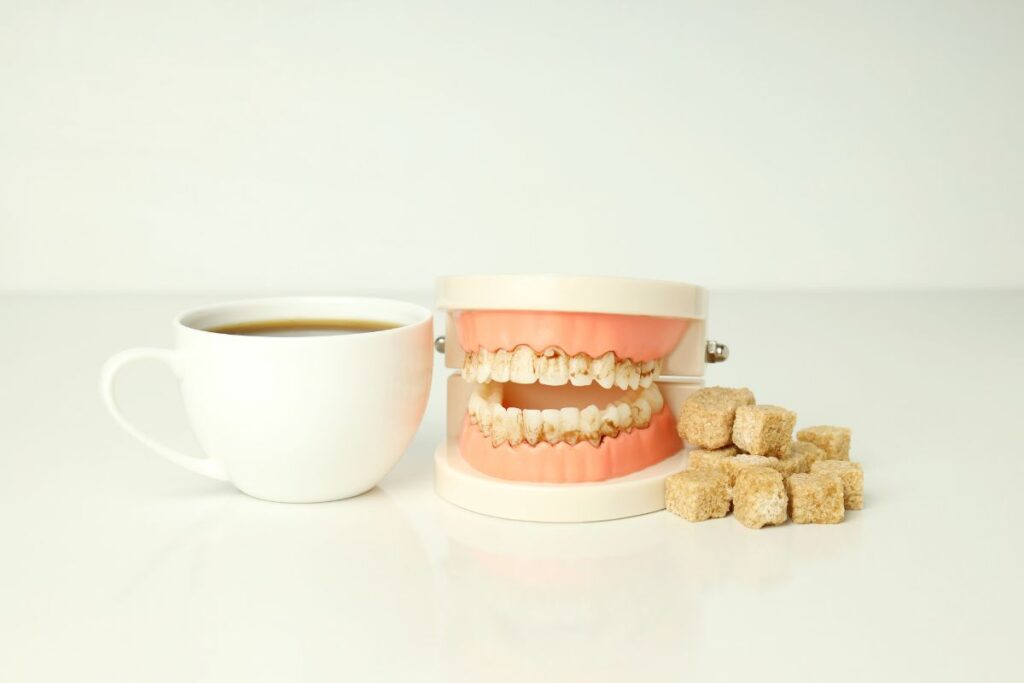
Living in Huntley, Illinois, many families enjoy sweets, beverages, and snacks that are part of daily life. While sugar is common in modern diets, its impact on oral health often goes unnoticed until discomfort or visible changes in the teeth appear. The relationship between sugar and dental health is more complex than just cavities—it involves a chain reaction of bacteria, acids, and enamel breakdown that can affect long-term oral wellness. Understanding how this process works helps you make more informed choices for your daily routine and dental care habits.
How Sugar Affects Teeth (Sugar and Its Impact on Teeth)
When sugar enters the mouth, it interacts with naturally occurring bacteria. These bacteria feed on sugars and produce acids as a byproduct. Over time, these acids begin to weaken tooth enamel, the protective outer layer of teeth. Repeated exposure can lead to enamel erosion, making teeth more vulnerable to decay and sensitivity.
Even frequent snacking on sugary foods or sipping sweetened drinks throughout the day increases acid attacks on enamel. This constant cycle does not allow the mouth enough time to recover, which raises the likelihood of developing cavities.
The Role of Oral Bacteria and Plaque (Bacteria, Plaque, and Tooth Decay)
Inside the mouth, plaque forms continuously as a sticky layer of bacteria. When sugar is consumed, this plaque becomes more active, producing acids that directly affect tooth surfaces. If plaque is not removed through proper brushing and flossing, it can harden and contribute to more serious dental concerns.
In some cases, individuals may notice early signs of decay during routine checkups, even before pain becomes noticeable. If you are in Huntley, visiting a trusted dentist for regular evaluations can help identify early changes before they progress to more significant enamel damage. This early detection is important because enamel damage cannot naturally repair itself once significant erosion has occurred.
Sugar and Long-Term Oral Health (Long-Term Effects of Sugar Consumption)
Frequent sugar intake not only leads to cavities. It can also affect gum health and contribute to mouth inflammation. When gums are exposed to bacteria and acid buildup over time, they may become more sensitive and prone to irritation. Maintaining consistent oral hygiene habits plays a key role in reducing these risks.
Using fluoride toothpaste, drinking water after sugary snacks, and maintaining a balanced diet can help strengthen enamel and support healthier gums. At times, individuals are encouraged to schedule regular dental evaluations to monitor changes in oral health patterns.
Daily Oral Care Awareness (Building Better Oral Habits)
Reducing sugar exposure does not mean eliminating treats entirely, but rather being mindful of frequency and timing. Consistent brushing, flossing, and rinsing help reduce bacterial activity. Many patients also find that spacing out sugary foods instead of frequent consumption helps minimize acid attacks.
If you are unsure about your oral health routine, you may choose to visit our dental office in Huntley for a professional evaluation and guidance based on your needs.
Take Action for Better Oral Health
Maintaining strong teeth starts with awareness and regular care. If you are concerned about sugar’s effect on your teeth or want a routine checkup, contact us today to schedule an appointment and support your long-term oral wellness.
FAQs
1. How does sugar contribute to cavities?
Sugar feeds bacteria in the mouth, producing acids that gradually weaken enamel and form cavities.
2. Are all sugary foods equally harmful?
Sticky and frequent sugar sources tend to have a greater impact because they stay on teeth longer.
3. Can brushing immediately after sugar intake help?
Brushing helps, but rinsing with water first is often recommended to reduce acid concentration.
4. Why does enamel erosion matter?
Enamel protects teeth from damage, and once it wears down, teeth become more sensitive and vulnerable.
5. How often should dental checkups be done?
Routine visits every six months help track changes in oral health and catch early signs of decay.
6. Do sugar-free drinks help protect teeth?
They may reduce sugar exposure, but acidic ingredients can still affect enamel over time.
7. What is the first sign of tooth decay?
Early decay may appear as sensitivity, slight discoloration, or mild discomfort when eating or drinking.