
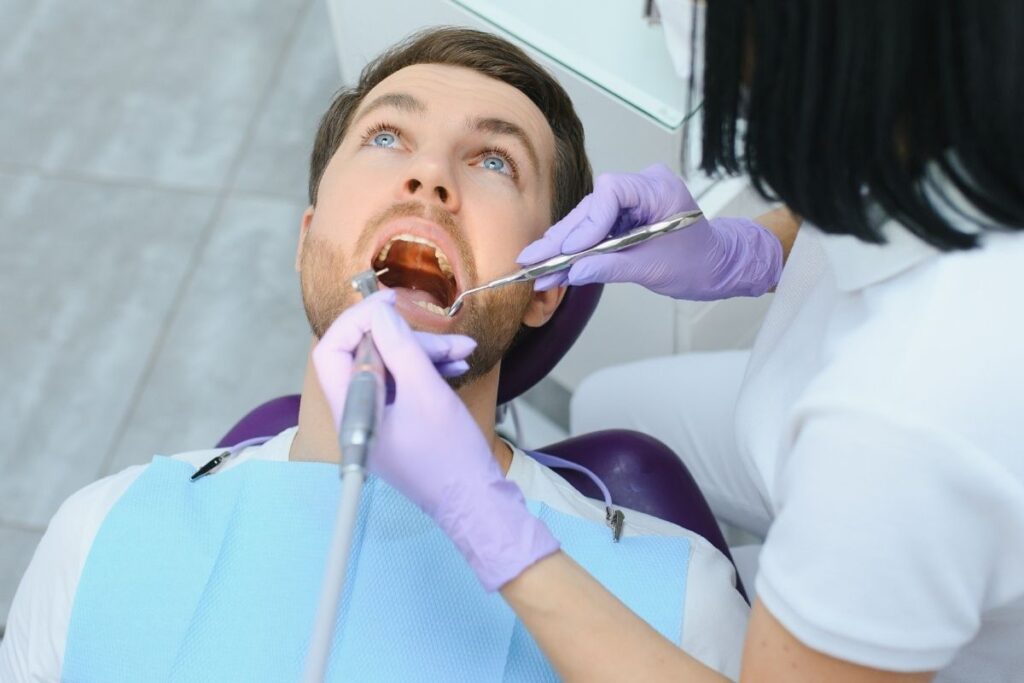
Dental emergencies can happen unexpectedly and often require immediate professional attention. For individuals and families in Huntley, understanding what leads to urgent dental problems is the first step toward prevention. From sudden tooth pain to oral injuries, many emergencies are avoidable with proper awareness and daily habits. This guide explains the most common causes of dental emergencies and how proactive care can protect your oral health.
Common Causes of Dental Emergencies
Dental emergencies often stem from everyday situations that gradually worsen. Recognizing these triggers can help reduce the risk of sudden oral distress.
Untreated Tooth Decay and Infections
Cavities that go unnoticed or untreated can progress into deep infections, leading to abscesses and severe pain. Bacterial buildup weakens the tooth structure and may spread to the surrounding tissue. Seeking timely care from an emergency dentist in Huntley during the middle stages of discomfort can prevent extensive damage and protect overall oral health.
Cracked or Broken Teeth
Teeth can crack from biting hard foods, accidental falls, or teeth grinding. Even small fractures may expose sensitive inner layers, increasing the risk of infection. Wearing protective gear during sports and avoiding habits like chewing ice can significantly reduce these incidents.
Accidents and Oral Trauma
Sudden impacts to the mouth are among the leading causes of dental emergencies and often require immediate evaluation.
Sports and Recreational Injuries
Contact sports and high-impact activities frequently result in chipped or knocked-out teeth. Custom mouthguards offer reliable protection and should be worn consistently to minimize injury risk.
Slips, Falls, and Accidents
Unexpected falls can cause serious dental trauma, especially in children and older adults. Maintaining safe environments and addressing balance issues can help prevent such emergencies before they occur.
Preventive Habits That Reduce Emergency Visits
Consistent dental care and mindful habits play a vital role in avoiding urgent oral health situations.
Regular Checkups and Early Intervention
Routine dental visits allow early detection of issues before they escalate into emergencies. Professional cleanings and exams strengthen teeth and gums while identifying warning signs early. When problems arise, timely attention can help you avoid urgent situations and reduce long-term complications.
Daily Oral Hygiene Practices
Brushing, flossing, and using dentist-recommended products help maintain strong teeth and healthy gums. Avoiding habits such as nail-biting or using teeth as tools further reduces the risk of fractures. If discomfort or swelling appears, it is wise to visit our dental office in Huntley for prompt evaluation.
When to Seek Immediate Dental Care
Persistent pain, swelling, bleeding, or trauma should never be ignored. Prompt attention ensures better outcomes and faster relief. If you experience sudden oral discomfort or injury, reaching out quickly can prevent complications. Contact us to schedule an urgent evaluation and receive professional guidance tailored to your needs.
Frequently Asked Questions
Q1: What qualifies as a dental emergency?
Severe tooth pain, swelling, bleeding, infections, or dental trauma typically require immediate care.
Q2: Can a cracked tooth wait for treatment?
Even minor cracks can worsen quickly, so prompt evaluation is recommended.
Q3: How can I reduce the risk of dental emergencies at home?
Maintaining daily oral hygiene and avoiding harmful habits significantly lowers risk.
Q4: Are sports mouthguards really necessary?
Yes, they provide essential protection against impact-related dental injuries.
Q5: What should I do if a tooth gets knocked out?
Preserve the tooth properly and seek immediate professional care.
Q6: How often should routine dental visits be scheduled?
Most patients benefit from visits every six months, though individual needs may vary.
Q7: Can dental infections affect overall health?
Yes, untreated oral infections can spread and impact general health if not addressed promptly.