
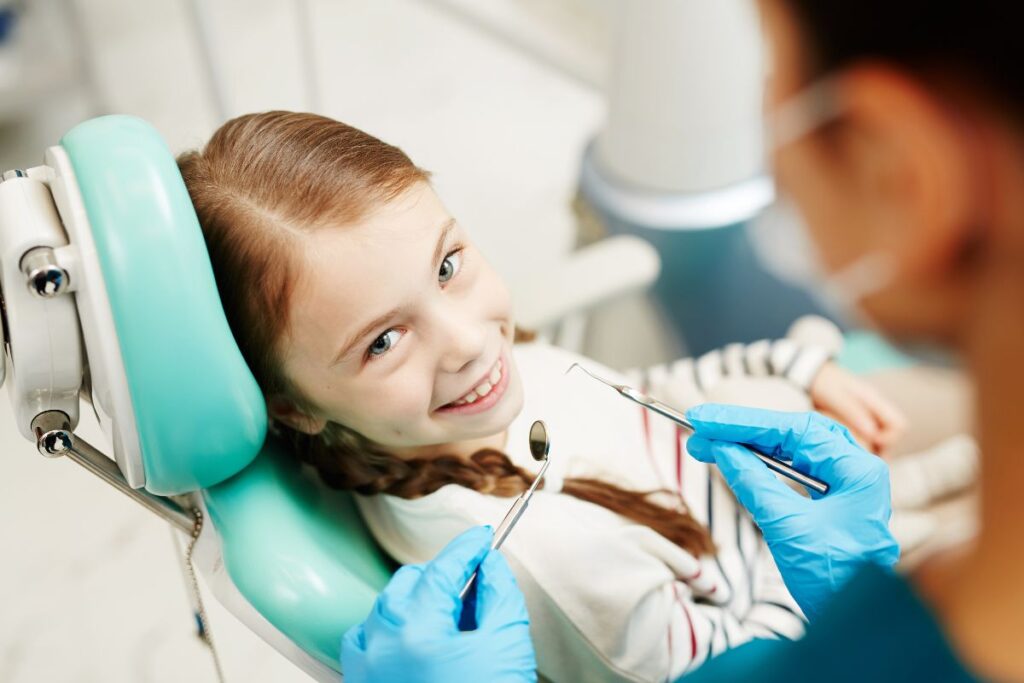
Creating a positive dental experience early in life can shape how children feel about oral care well into adulthood. Parents want an environment where their children feel understood, supported, and comfortable. A genuinely kid-friendly dental office blends thoughtful design, trained professionals, gentle communication, and an atmosphere that helps children feel at ease from the moment they arrive.
A Warm and Welcoming Environment
A child’s perception of a dental appointment often begins before they even meet the dentist. The waiting area plays a significant role in building comfort. Cheerful décor, child-focused seating, and calming elements make young patients feel more relaxed. When staff greet children warmly and show patience, it further strengthens their sense of security and helps reduce anxiety during their visit.
Pediatric-Focused Dental Team
Children benefit from being treated by dental professionals who understand their emotional and developmental needs. Pediatric-focused dentists and hygienists communicate using simple explanations and gentle tones that make unfamiliar procedures feel less intimidating. This approach turns dental visits into opportunities for learning and reassurance, rather than fear or uncertainty.
Tools and Techniques Designed for Kids
In the middle of a dental evaluation, families often notice the value of age-appropriate tools and methods used to support child dentistry in Huntley. Quiet instruments, visual demonstrations, and distraction techniques help children feel more in control. These thoughtful elements help minimize stress and encourage cooperation during cleanings, exams, or more in-depth treatments.
Safety, Cleanliness, and Parental Presence
Parents want to feel confident that their child’s dental environment is spotless and well-organized. A kid-friendly dental office follows strict hygiene standards to ensure safety at every stage of care. Many practices also welcome parents to stay with their children during appointments. This involvement provides reassurance and encourages open communication between families and dental teams, building trust on all sides.
Teaching Healthy Dental Habits Early
Beyond the appointment itself, a child-friendly office emphasizes teaching good habits in a way that feels fun and encouraging. Gentle education, positive reinforcement, and simple demonstrations help children understand the importance of brushing, flossing, and regular checkups. When children learn these skills early, they tend to carry them into adulthood with confidence.
Supporting a Positive Outlook Toward Dental Care
Parents who visit our dental office in Huntley often find that an environment centered on compassion and communication makes a strong difference in how their children view dentistry. A kid-friendly approach is not about fancy gimmicks; it’s about building trust and creating a foundation for long-term oral health.
Ready to Give Your Child a Great Dental Experience?
A supportive, kid-focused environment can transform the way children feel about dental care. Contact us today to schedule an appointment and help your child enjoy a calm and positive visit that encourages lifelong healthy habits.
FAQs
1. What qualities make a dental office kid-friendly?
A welcoming environment, gentle communication, and pediatric-focused care are key indicators.
2. Why is a positive early dental experience important?
Great early dental visits help reduce fear, build trust, and encourage lifelong oral care habits.
3. Can parents accompany their children during appointments?
Many kid-friendly offices welcome parental presence to help children feel safe and supported.
4. How do dentists help ease children’s dental anxiety?
They use simple explanations, calming techniques, and child-friendly tools to reduce stress.
5. How often should children see a dentist?
Most children benefit from a dental checkup every six months, depending on their needs.
6. Are pediatric-trained dentists different from general dentists?
Yes, they receive specialized training to care for children’s unique emotional and developmental needs.