
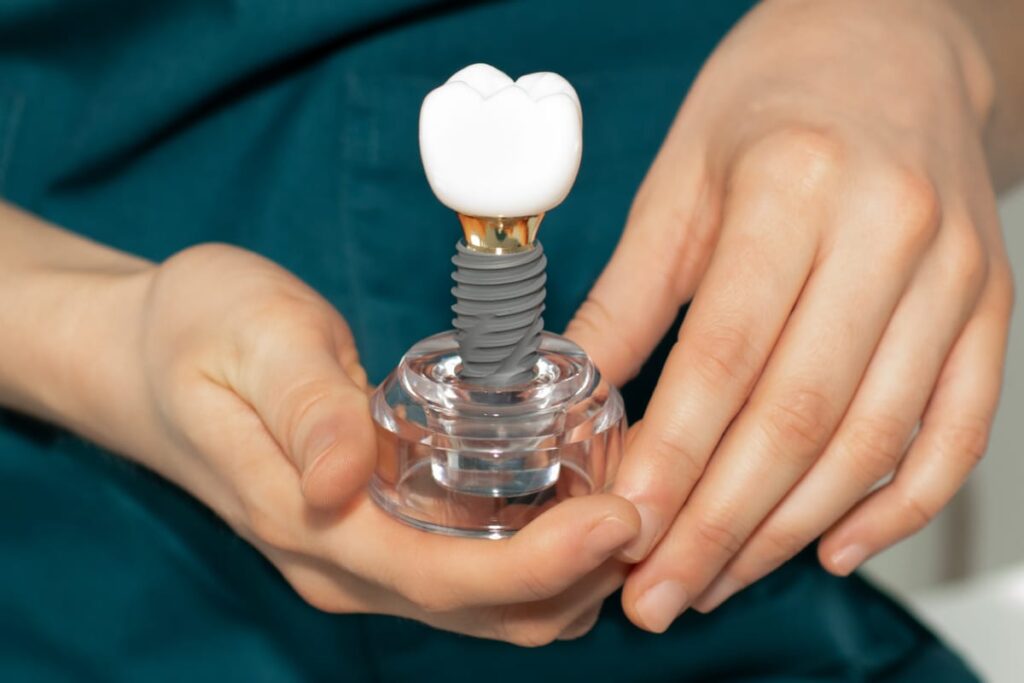
If you’re planning to get dental implants in Huntley, IL, understanding the recovery process is just as important as the procedure itself. Knowing what to expect during dental implant recovery — a complete timeline in Huntley — helps you prepare with confidence. Dr. Shobhit Bansal and the team at Dental Arts of Huntley are here to walk you through every stage. From the first 24 hours to full healing, we want you to feel informed and supported.
The First 24 to 72 Hours After Implant Placement
The first three days are typically the most intense part of recovery. You may experience swelling, mild bleeding, and soreness around the implant site. These are completely normal responses as your body begins healing.
Dr. Bansal recommends applying an ice pack to your cheek for 15-minute intervals during this phase. This helps reduce swelling and discomfort effectively. Over-the-counter pain relievers like ibuprofen can also help manage inflammation.
Avoid rinsing your mouth vigorously on the first day. Gentle rinsing with warm salt water is safe starting on day two. Rest as much as possible and keep your head elevated when lying down.
- Apply ice packs for the first 24 hours to reduce swelling
- Take prescribed or recommended pain medication on schedule
- Avoid hot beverages and hard foods
- Get plenty of rest and avoid strenuous activity
- Do not touch or poke the implant site with your tongue or fingers
What to Eat During Dental Implant Recovery in Huntley
Your diet plays a huge role in how smoothly you heal. During the first week, stick to soft, cool, or room-temperature foods. Your implant site is sensitive, and hard or chewy foods can disrupt healing.
Great options include yogurt, mashed potatoes, smoothies, scrambled eggs, and applesauce. These foods are nutritious and easy to eat without putting pressure on the implant area. Avoid crunchy, spicy, or very hot foods for at least the first two weeks.
After the first two weeks, you can gradually reintroduce softer solid foods. Always listen to how your mouth feels. If chewing causes discomfort, go back to softer options and give yourself more time.
As part of your long-term oral health journey, maintaining good nutrition supports bone and tissue healing. The team at Dental Arts of Huntley provides personalized guidance on diet and general Dental care to support every stage of your recovery.
The Complete Dental Implant Recovery Timeline: Week by Week
Understanding what to expect during dental implant recovery on a week-by-week basis makes the process far less stressful. Every patient heals at a different pace, but this general timeline gives you a solid foundation.
- Week 1: Swelling and discomfort are at their peak. Rest, eat soft foods, and follow all post-op instructions carefully.
- Week 2: Swelling begins to subside. Most patients feel noticeably more comfortable. Light activity can resume.
- Weeks 3–4: The gum tissue heals and tenderness fades. You may start eating a wider variety of foods.
- Months 2–3: The implant post begins fusing with the jawbone. This process is called osseointegration.
- Months 4–6: Full osseointegration is usually complete. Your permanent crown or restoration is placed.
The osseointegration stage is the most important part of the entire process. It creates the strong, stable foundation that makes implants so durable. Skipping follow-up appointments during this phase can compromise your results.
Patients interested in cosmetic dental treatments options often pair implants with treatments like veneers or whitening. Dr. Bansal can discuss the ideal timing for combining treatments after your implant fully heals.
Managing Discomfort and Avoiding Complications
Most implant patients experience manageable discomfort rather than severe pain. Staying ahead of it with medication is key. Take your prescribed or recommended pain relief before the anesthetic fully wears off after surgery.
Watch for warning signs that may indicate a complication. These include increasing pain after day three, fever, excessive bleeding, or a foul taste in your mouth. Contact Dental Arts of Huntley promptly if you notice any of these symptoms.
Smoking is one of the biggest risk factors for implant failure. It restricts blood flow and slows tissue healing significantly. Dr. Bansal strongly advises patients to avoid tobacco products throughout the entire recovery period.
Good oral hygiene is equally important. Gently brush around the implant site using a soft-bristled toothbrush. Avoid electric toothbrushes near the implant for the first few weeks to protect the healing tissue.
Long-Term Care Tips for Your Dental Implant
Once your implant fully integrates and your restoration is placed, your care routine becomes straightforward. Treat your implant like a natural tooth — brush twice daily and floss regularly. Implants do not decay, but the surrounding gum tissue still needs attention.
Schedule regular checkups with Dr. Bansal at Dental Arts of Huntley. Routine cleanings and exams help catch any issues early. Your implant can last decades with proper maintenance and professional care.
Avoid habits that can damage implants, such as chewing ice, grinding your teeth, or using your teeth as tools. If you grind at night, ask Dr. Bansal about a custom nightguard. Protecting your implant protects your overall investment in your smile.
Patients from across Huntley, IL choose implants because of their natural look and long-lasting function. With the right care, your implant can become one of the best dental decisions you ever make.
Conclusion: Your Recovery Journey Starts With the Right Support
Understanding what to expect during dental implant recovery — a complete timeline in Huntley — gives you the power to heal with confidence. Every phase, from swelling to osseointegration, is a step toward a stronger, healthier smile. Dr. Shobhit Bansal and the Dental Arts of Huntley team are committed to guiding you through each step with expert care and genuine support. Book Now to schedule your appointment with our team.
Frequently Asked Questions
- How long does dental implant recovery typically take?
A: Most patients experience initial healing within two to four weeks. However, full osseointegration — where the implant fuses with the jawbone — takes three to six months. Your final restoration is placed after this stage is complete.
2. Is dental implant recovery painful?
A: Discomfort is common during the first few days but is usually manageable with over-the-counter or prescribed pain relievers. Swelling and soreness tend to peak within 48 to 72 hours and then gradually improve. Most patients feel much better by the end of the first week.
3. What foods should I avoid after getting a dental implant?
A: Avoid hard, crunchy, chewy, spicy, and very hot foods during the first two weeks. Stick to soft options like yogurt, mashed potatoes, smoothies, and eggs. Gradually reintroduce solid foods as your comfort level improves.
4. When can I return to normal activities after implant surgery?
A: Most patients can return to light daily activities within two to three days. Strenuous exercise should be avoided for at least one to two weeks. Always follow the specific guidance Dr. Bansal provides based on your individual case.
5. How do I care for my dental implant after it heals?
A: Care for your implant just like a natural tooth — brush twice daily, floss regularly, and attend routine dental checkups. Avoid habits like chewing ice or grinding your teeth that could damage the restoration. With proper care, your implant can last many years.