
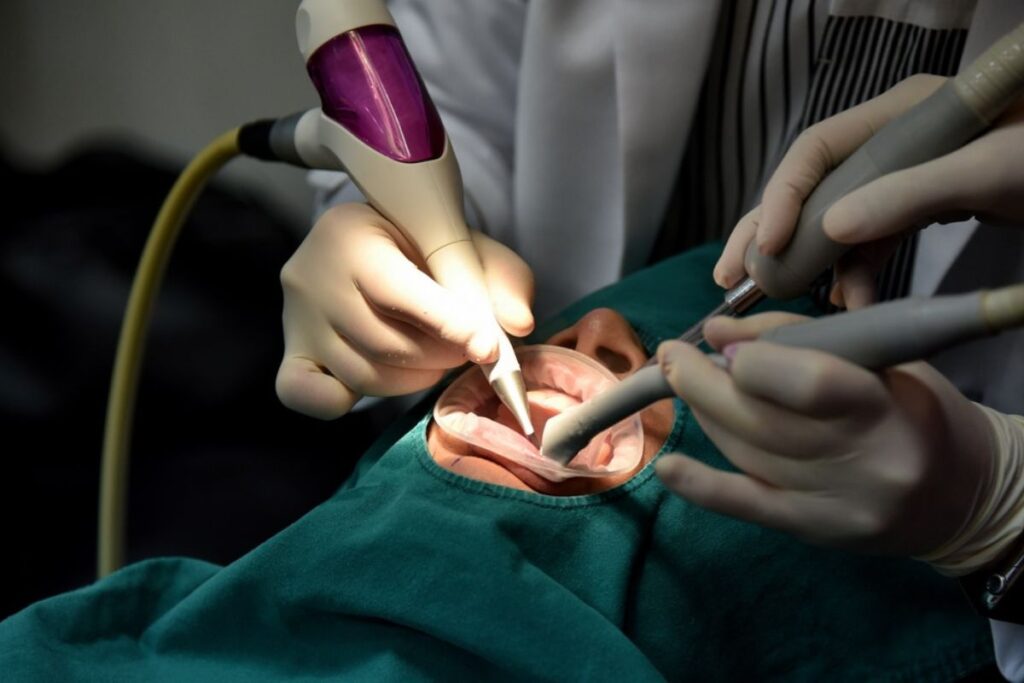
Understanding Dental Emergencies
Dental emergencies can happen when you least expect them, causing severe pain and discomfort. At our dental practice in Bethlehem, we understand how distressing these situations can be. Whether you’re dealing with a severe toothache, a broken tooth, or a possible infection, knowing when to seek immediate care is essential. While some dental concerns can wait for a scheduled appointment, others require urgent attention to prevent complications and protect your oral health.
Delaying treatment can lead to worsening pain and more extensive procedures down the line. If you’re unsure whether your situation is a true emergency, understanding the warning signs can help you make the right decision and receive the prompt care you need. Our team is here to provide expert emergency dental care when you need it most.
Common Signs You Need Emergency Dental Care
Severe or Persistent Tooth Pain
A mild toothache might be manageable at home, but severe or persistent pain could indicate an underlying issue such as deep decay, an abscess, or nerve damage. If over-the-counter pain relievers don’t provide relief, it’s time to seek immediate dental care.
Knocked-Out or Broken Tooth
A knocked-out tooth requires immediate attention to increase the chances of saving it. If possible, place the tooth back in its socket or store it in milk while heading to the dentist. A broken or cracked tooth can also expose the nerves, leading to pain and a higher risk of infection.
Swollen Gums or Facial Swelling
Swelling in the gums, face, or jaw can indicate an infection, which may spread if left untreated. Infections, particularly abscesses, can lead to serious health risks if they enter the bloodstream. If you notice swelling along with fever, a bad taste in your mouth, or pus, you should visit an emergency dentist immediately.
Uncontrolled Bleeding from the Mouth
Bleeding that doesn’t stop after an injury or dental procedure requires urgent attention. Whether it’s due to a knocked-out tooth, a deep cut, or gum disease, continuous bleeding should never be ignored.
Lost or Damaged Dental Restorations
Losing a filling, crown, or bridge can expose sensitive areas of your teeth, leading to discomfort or further damage. In such cases, visiting an emergency dentist can help restore your dental work and prevent complications.
Why Immediate Dental Care Matters?
Ignoring a dental emergency can have serious consequences. Infections can spread, broken teeth can deteriorate further, and untreated pain can interfere with daily life. Seeking prompt treatment not only relieves discomfort but also prevents more extensive dental procedures.
If you are experiencing any of the symptoms mentioned above, it’s important to seek professional help. An emergency dentist in Huntley can provide the necessary care to alleviate pain and protect your oral health. Timely intervention can mean the difference between saving or losing a tooth.
What to Expect During an Emergency Dental Visit?
When you arrive at the dental office for emergency care, the dentist will assess your condition and recommend the appropriate treatment. This may include X-rays, pain management, or immediate procedures to stabilize the situation. If you have a knocked-out tooth, the dentist will attempt to reimplant it. In cases of severe infections, antibiotics or drainage procedures may be necessary.
To ensure a smooth experience, it’s helpful to call ahead and describe your symptoms so the dental team can prepare for your arrival. If you’re in pain, applying a cold compress to the affected area while en route can help reduce swelling.
Preventing Dental Emergencies
While not all dental emergencies can be avoided, some preventive measures can reduce the risk. Maintaining good oral hygiene, wearing a mouthguard during sports, and avoiding hard foods that can crack teeth are effective ways to protect your smile. Regular dental checkups can also help identify potential issues before they become emergencies.
If you’re experiencing a dental emergency, don’t wait—visit our office for prompt care and relief. Seeking timely treatment can prevent further complications and help restore your smile.