
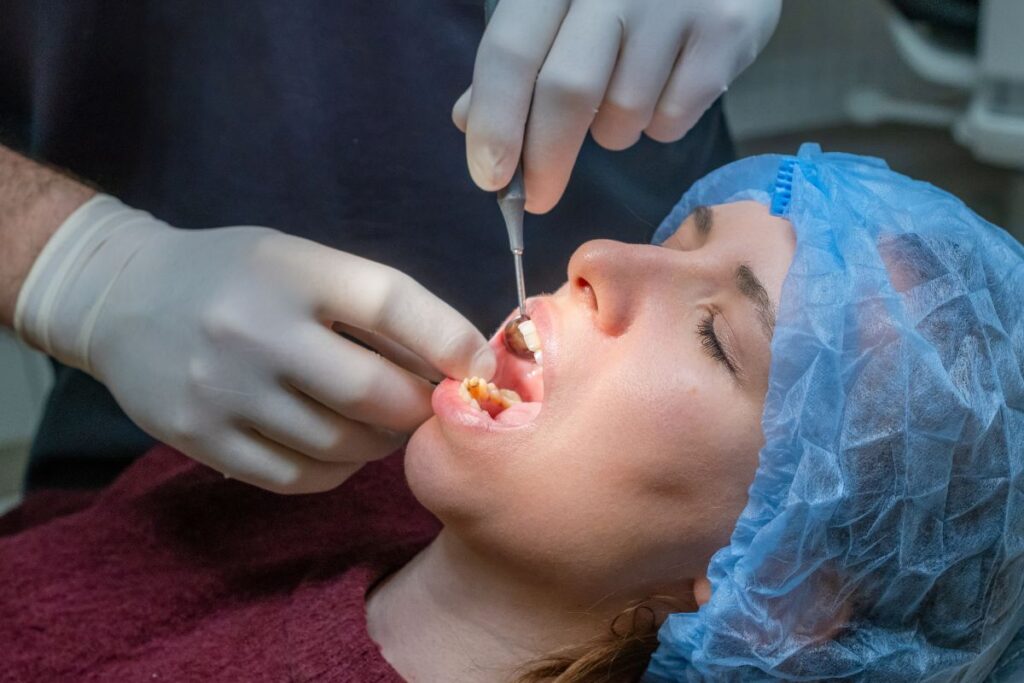
Swollen gums are a common oral health concern that many people experience at some point. While mild irritation may improve with better oral hygiene, persistent swelling can indicate an underlying dental problem that requires professional attention. For individuals and families in Huntley, recognizing the causes of swollen gums and knowing when to seek care can help prevent more serious complications. Understanding the warning signs allows you to take action before discomfort turns into a larger issue.
What Causes Swollen Gums?
Gums may become swollen for several reasons, ranging from temporary irritation to progressive gum disease. Identifying the cause is the first step toward finding the appropriate treatment.
Plaque Buildup and Gingivitis
One of the most common reasons for swollen gums is plaque accumulation along the gumline. When plaque is not removed through regular brushing and flossing, bacteria can irritate the gums, leading to gingivitis. Symptoms often include redness, tenderness, swelling, and bleeding during brushing or flossing. Fortunately, gingivitis can often be managed when addressed early.
Gum Disease
If gingivitis is left untreated, it may progress to periodontal disease, which affects the tissues and bone that support the teeth. Individuals searching for a “dentist near me” often schedule an appointment after noticing swollen gums that do not improve or begin to recede. Early evaluation helps identify the stage of gum disease and allows appropriate treatment before further damage occurs.
Other Reasons Your Gums May Swell
Food Particles or Dental Irritation
Sometimes, a small piece of food lodged between the teeth can irritate the gums and cause localized swelling. Dental appliances such as retainers, dentures, or braces may also create temporary irritation if they do not fit comfortably. Proper cleaning and regular dental evaluations can help minimize these issues.
Vitamin Deficiencies and Hormonal Changes
A lack of certain nutrients, particularly vitamin C, may affect gum health. Hormonal fluctuations during pregnancy, puberty, or menopause can also make gums more sensitive and prone to swelling. Maintaining a balanced diet and practicing consistent oral hygiene support healthier gums during these life stages.
Dental Infections
An abscessed tooth or other dental infection can cause significant swelling, pain, and tenderness in the gums. Additional symptoms may include bad breath, sensitivity, or facial swelling. Prompt dental care is important because untreated infections can spread to surrounding tissues.
When Should You Call Your Dentist?
While mild gum irritation may improve after a few days of careful brushing and flossing, persistent swelling should never be ignored. Contact your dentist if your gums remain swollen for more than a few days, bleed frequently, become increasingly painful, or are accompanied by pus, fever, or facial swelling. These symptoms often require professional evaluation to determine the underlying cause.
If you notice ongoing discomfort, it is a good time to visit our dental office in Huntley for a complete examination. Early diagnosis often allows for simpler treatment and helps protect both your gums and teeth from future complications.
Protecting Your Gum Health
Healthy gums are the foundation of a healthy smile. Brushing twice daily, flossing every day, using an antimicrobial mouth rinse when recommended, and scheduling routine dental cleanings all help reduce plaque buildup and support gum health. Regular dental visits also allow problems to be identified before they become more serious.
If you are experiencing swollen gums or other signs of gum disease, don’t wait for the symptoms to worsen. Contact us today to schedule an appointment and receive personalized care to restore your oral health.
FAQs
1. What is the most common cause of swollen gums?
Plaque buildup leading to gingivitis is one of the most common causes of swollen gums.
2. Can swollen gums go away on their own?
Mild irritation may improve with proper oral hygiene, but persistent swelling should be evaluated by a dentist.
3. Are swollen gums always a sign of gum disease?
No. Swollen gums can also result from food irritation, hormonal changes, vitamin deficiencies, or dental infections.
4. How can I reduce gum swelling at home?
Brush and floss gently, rinse with warm salt water, stay hydrated, and maintain good oral hygiene while arranging a dental evaluation if symptoms continue.
5. When should I seek immediate dental care for swollen gums?
Seek prompt care if swelling is severe, accompanied by fever, facial swelling, pus, or significant pain.
6. Can swollen gums affect my teeth?
Yes. Untreated gum disease can damage the supporting tissues around the teeth and may eventually lead to tooth loss.
7. How often should I have dental checkups to maintain healthy gums?
Most people benefit from dental examinations and professional cleanings every six months, although your dentist may recommend a different schedule based on your oral health needs.